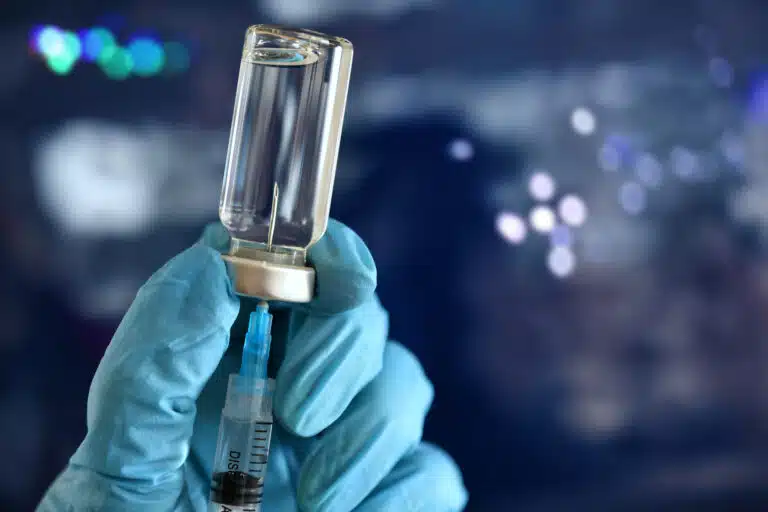
Healthy Cord Blood: A Unique Resource for Immunology Research

Healthy Cord Blood: What Makes It a Uniquely Valuable Research Resource
Umbilical cord blood has long been recognized as a clinically valuable source of hematopoietic stem cells for transplantation. But beyond its established role in treating blood cancers and inherited hematologic disorders, healthy cord blood offers a combination of biological properties that make it an exceptionally useful research material across a wide range of biomedical disciplines. Its immunological naivety, its abundance of primitive progenitor cells, its tolerance of HLA mismatch, and the immunologically distinct character of its lymphocyte populations collectively distinguish cord blood from adult peripheral blood in ways that matter deeply for experimental design. This article explores what healthy cord blood is, what makes its biology distinctive, and why researchers across hematology, immunology, oncology, and regenerative medicine increasingly depend on it as a primary research substrate.
What Is Healthy Cord Blood?
Healthy cord blood is the blood collected from the umbilical cord and placenta immediately after birth. It represents the final output of a distinct hematopoietic system — the fetal liver-driven hematopoietic program that produces blood cells during prenatal development — before the bone marrow takes over as the primary site of blood cell production in postnatal life.
From a cellular composition standpoint, cord blood contains a rich mixture of hematopoietic stem and progenitor cells (HSPCs), mononuclear cells including T cells, B cells, NK cells, and monocytes, and — unlike adult peripheral blood — a significantly higher proportion of primitive, less-differentiated progenitors with broad lineage potential. The CD34+ hematopoietic progenitor cell frequency in cord blood is substantially higher than in adult peripheral blood, making cord blood one of the most accessible sources of these clinically and scientifically valuable cells outside of bone marrow.
Critically, these cells have never been exposed to the full range of environmental antigens, pathogens, and inflammatory signals that shape and constrain the adult immune system. This immunological naivety is not a limitation — it is a defining research advantage.
Immunological Naivety: A Core Research Advantage
The immune cells present in healthy cord blood occupy a fundamentally different state from their adult counterparts. Cord blood T cells are predominantly naïve — they have not been previously activated by antigen — and their T cell receptor repertoire is intact and unbiased by prior immunological experience. Cord blood NK cells retain a less mature, more plastic phenotype compared to adult NK cells. B cells are predominantly naïve and transitional, with limited somatic hypermutation history.
This naivety has direct experimental consequences. In humanized mouse models — where human immune cells are engrafted into immunodeficient mice to create an in vivo platform for studying human immune responses — cord blood mononuclear cells produce superior, more balanced humanization than adult peripheral blood-derived cells. Cord blood-engrafted mice sustain a more representative lymphoid-myeloid immune cell composition and show lower rates of graft-versus-host disease, because the immunologically inexperienced cord blood cells are better tolerated by the murine host environment.
For in vitro research, cord blood-derived T cells provide a clean, minimally differentiated starting population for stimulation, differentiation, and functional studies that require a naïve baseline — including studies of primary T cell activation, polarization kinetics, and responses to novel antigens or adjuvants where prior immunological history would introduce confounding variability.
Hematopoietic Stem and Progenitor Cells: Abundance and Accessibility
The hematopoietic stem cell (HSC) content of cord blood is one of its most distinctive and experimentally valuable features. CD34+ HSPCs — the surface marker used to identify and isolate hematopoietic progenitors — are present at substantially higher frequencies in cord blood than in adult mobilized peripheral blood or unstimulated adult bone marrow in many collection contexts. These cells retain robust self-renewal capacity and multilineage differentiation potential, giving rise to all mature blood cell lineages in appropriate culture conditions or following engraftment.
Cord blood HSPCs are more primitive and less committed than adult HSCs, meaning they are more amenable to ex vivo expansion, genetic manipulation, and differentiation toward specific lineages under defined culture conditions. This makes healthy cord blood a preferred starting material for researchers developing protocols for generating specific immune cell types — including dendritic cells, NK cells, regulatory T cells, and innate lymphoid cells — from a common progenitor source.
The accessibility of cord blood-derived HSPCs without requiring invasive bone marrow aspiration or mobilization procedures is also a practical advantage that matters for research programs requiring repeated or large-scale access to primitive hematopoietic progenitors.
SanguineBio’s healthy cord blood is collected from screened donors, quality-tested for cell content and viability, and optimized for demanding research applications across hematology, immunology, and regenerative medicine.
Cord Blood in Humanized Mouse Model Development
Humanized mouse models — immunodeficient mice engrafted with human immune cells to enable in vivo study of human immune biology — are a cornerstone of translational immunology and oncology research. The choice of human cell source for humanization profoundly affects the quality, durability, and representativeness of the resulting immune system, and healthy cord blood has emerged as one of the most reliable sources for building high-quality humanized models.
Cord blood mononuclear cell-engrafted NSGS mice (a particularly immune-deficient strain that supports human cytokine signaling) generate a sustained, balanced lymphoid and myeloid immune cell representation that more closely mirrors the human immune system than models based on adult peripheral blood mononuclear cells. This balanced representation — achieved with lower rates of graft-versus-host disease — creates a more physiologically relevant experimental platform for studying human immune responses to tumors, pathogens, vaccines, and immunotherapy candidates in a living system.
The immunological naivety of cord blood-derived immune cells also means that humanized models built from healthy cord blood can be immunized or challenged with defined antigens from a clean baseline, enabling primary immune response studies that adult cell-based models — where pre-existing memory confounds antigen-naïve responses — cannot replicate.
Tolerance of HLA Mismatch: A Transplantation and Research Advantage
One of the most clinically significant properties of cord blood — and one with direct relevance to allogeneic cell therapy research — is its relative tolerance of HLA mismatch. Unlike bone marrow or adult peripheral blood stem cells, where close HLA matching between donor and recipient is required to prevent severe graft-versus-host disease (GvHD), cord blood transplants can be performed with greater HLA disparity while maintaining acceptable GvHD rates.
This tolerance is attributable in part to the immunological immaturity of cord blood T cells — their limited prior antigen experience and reduced alloreactivity compared to adult T cells — and in part to the distinct regulatory T cell composition of cord blood, which includes a higher proportion of naïve Tregs with broad suppressive potential. For researchers working on allogeneic cell therapy strategies, off-the-shelf cell products, or tolerance induction models, these properties make cord blood a particularly attractive starting material.
The HLA mismatch tolerance of cord blood also matters practically for research programs that require large quantities of HLA-defined material: because cord blood banking is well-established, units with specific HLA profiles can often be sourced more readily than matched adult peripheral blood donors for some applications.
Key Research Applications of Healthy Cord Blood
The biological properties described above translate into a broad range of active research applications where healthy cord blood provides advantages over adult peripheral blood:
- Hematopoietic stem cell biology: Studying HSC self-renewal, lineage commitment, and differentiation in a primitive, highly engraftable progenitor population.
- Humanized mouse model generation: Building balanced, durable human immune systems in immunodeficient mice for cancer immunotherapy, infectious disease, and vaccine research.
- Primary T cell immunology: Studying naïve T cell activation, Th subset polarization, and primary immune responses from a baseline uncontaminated by immunological history.
- NK cell biology and immunotherapy: Cord blood-derived NK cells retain a less terminally differentiated phenotype amenable to ex vivo expansion and genetic engineering for adoptive cell therapy applications.
- Gene therapy and gene editing: The high CD34+ HSPC content and primitive differentiation state of cord blood cells make them preferred targets for gene correction approaches in hematologic disease models.
- Allogeneic cell therapy development: Cord blood is an active platform for generating off-the-shelf cellular products including CAR-NK cells, regulatory T cells, and engineered macrophages.
Summary
Healthy cord blood is far more than a transplantation resource. Its combination of immunological naivety, primitive hematopoietic progenitor abundance, tolerance of HLA mismatch, and distinct lymphocyte biology makes it a uniquely versatile research material — one that supports experimental questions that adult peripheral blood-based approaches cannot address as cleanly or reproducibly.
As the field of allogeneic cell therapy advances and the demand for well-characterized, immunologically pristine starting material grows, the research value of high-quality cord blood will only increase.
Explore Sanguine’s healthy cord blood product page for current specifications and availability — donor-screened, quality-characterized, and supplied to support the full breadth of hematopoietic, immunological, and cell therapy research applications.