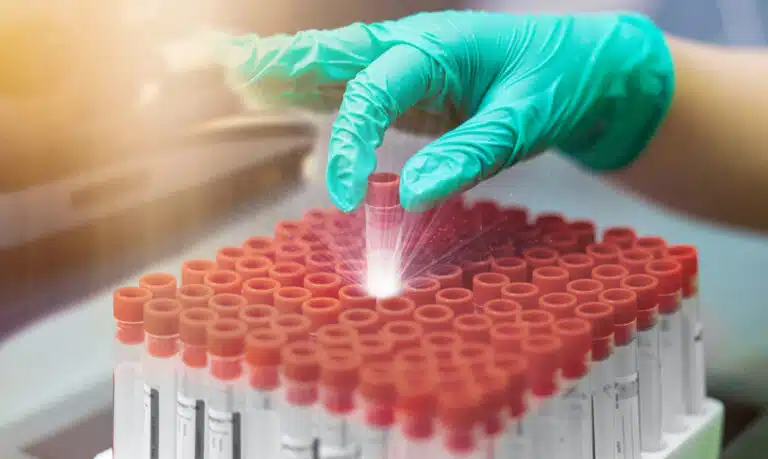
Healthy Leukopak for Research and Cell Therapy Applications

Healthy Leukopak for Research and Cell Therapy Applications
Healthy leukopak is a widely used biospecimen in immunology and cell therapy research because it provides a large number of viable immune cells from a single donor collection. Collected through leukapheresis,healthy leukopak products are commonly used in studies that require high cell yield, consistency, and scalability across experiments.
Researchers use healthy leukopak in areas such as CAR-T and CAR-NK development, immune profiling, single-cell sequencing, biomarker discovery, and functional immune assays. Compared to standard blood-derived materials, leukopak collections make it easier to support larger workflows and more complex downstream applications.
What Is a Healthy Leukopak?
A healthy leukopak is collected from screened healthy donors using a leukapheresis procedure that separates white blood cells from other blood components. During the process, leukocytes are collected while red blood cells and much of the plasma are returned to the donor.
The final product contains a concentrated population of immune cells, including T cells, B cells, NK cells, monocytes, and PBMCs. Because of the higher immune cell yield, healthy leukopak is often preferred over whole blood or smaller PBMC collections for studies that require larger starting material.
Researchers looking for additional collection formats can also explore human leukopak products and healthy leukopak collections.
Why Researchers Use Healthy Leukopak
One of the main reasons researchers use healthy leukopak is the volume of cells that can be collected from a single donor. This is especially useful for large immune studies, cell expansion workflows, drug screening, and multi-omics research where cell quantity can become a limitation.
Another advantage is improved consistency. Since a large amount of material comes from one donor collection, researchers can reduce variability between experiments and maintain more standardized conditions across assays.
Healthy leukopak is available in both fresh and cryopreserved formats depending on the needs of the study. Fresh leukopaks are often used for immediate cell isolation and functional testing, while cryopreserved samples are useful for biobanking, multi-site studies, and projects that require long-term storage.
For researchers working with isolated immune cell populations, bulk PBMC products can also support large-scale studies derived from leukopak collections.
Healthy Leukopak vs PBMC vs Buffy Coat
Researchers often compare leukopak with PBMCs and buffy coat samples when choosing a biospecimen for immunology research. PBMCs and buffy coat preparations can work well for smaller studies, but leukopak collections are generally better suited for applications that require higher cell numbers or multiple downstream workflows.
This is one reason leukopak is commonly used in cell therapy development, immune profiling, and high-throughput functional assays. Many labs also use leukopak collections as starting material for bulk PBMC isolation and immune cell subset enrichment.
| Sample type | Primary advantage | Limitation |
|---|---|---|
| Whole blood | Native cellular environment | Lower immune cell concentration |
| Buffy coat | Cost-effective leukocyte enrichment | Lower purity and limited yield |
| PBMC | Purified mononuclear cells | Smaller starting volume |
| Healthy leukopak | Extremely high immune cell yield | Requires specialized collection |
Quality Considerations in Healthy Leukopak
The quality of a healthy leukopak can directly impact downstream results. Researchers typically evaluate donor screening standards, infectious disease testing, processing timelines, cell viability, and post-thaw recovery when selecting leukopak material.
These considerations are particularly important in translational research workflows where consistency and documentation are critical.
Applications of Healthy Leukopak in Biomedical Research
Healthy leukopak is widely used in cell and gene therapy development because it provides large numbers of viable T cells and NK cells for engineering and expansion workflows. It is commonly used in CAR-T development, CAR-NK research, and other engineered immune cell studies.
In immunology research, leukopak supports immune activation studies, cytokine analysis, autoimmune disease research, and biomarker validation. The material is also frequently used for single-cell RNA sequencing and other multi-omics applications where higher cell input improves overall data quality.
Researchers also rely on healthy leukopak for assay development, functional immune testing, and drug response studies where standardized donor material helps improve reproducibility. Additional immune cell products and related biospecimens can be explored through Sanguine Bio product collections and PBMC products.
Conclusion
Healthy leukopak continues to be an important biospecimen for immunology and cell therapy research because it provides high immune cell yield, flexibility, and consistency across workflows. From immune profiling to engineered cell therapies, leukopak collections support a wide range of applications in both basic and translational research.
As cell-based therapies continue to expand, healthy leukopak remains a reliable starting material for studies that require scalable and reproducible immune cell sources. Researchers interested in additional leukopak and immune cell resources can explore the full range of leukopak products and biospecimens available through Sanguine Bio.