
Synovial Fluid: The Role in Joint Health

Synovial fluid is the thick, viscous liquid inside joint cavities that lubricates and nourishes cartilage to keep joints moving smoothly. Its composition shifts measurably with inflammation and autoimmune activity, which has made it a valuable window into joint disorders. By profiling synovial fluid, researchers can identify biomarkers for diagnosing and monitoring conditions like rheumatoid arthritis and lupus and develop more targeted therapies.
Synovial fluid analysis reveals the immune cells, cytokines, and inflammatory markers that drive joint disease — and advanced proteomic and metabolomic methods now resolve its molecular composition in fine detail. Those insights support biomarker discovery, disease-progression studies, and the personalized treatment strategies increasingly central to autoimmune and inflammatory research.
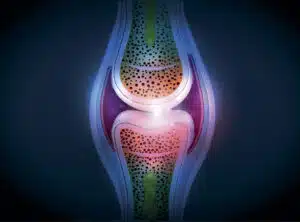
What Synovial Fluid Is Made Of
Synovial fluid is far more than a lubricant. Secreted into the cavities of synovial joints — where bones meet to allow movement — it is a complex mixture whose components each serve a distinct purpose:
- Hyaluronic acid — gives the fluid its viscosity, cushioning the joint and reducing friction during movement.
- Lubricin — works with hyaluronic acid to lubricate joint surfaces and prevent wear.
- Proteins and proteinases — enzymes that break down damaged tissue; useful in normal turnover, but a driver of joint degeneration when overactive.
- Cytokines — immune-signaling molecules that both promote and resolve inflammation.
- Nutrients — glucose, oxygen, and other substances that nourish cartilage and support its repair.
Because it carries these nutrients to avascular cartilage, synovial fluid is central to keeping the joint healthy. In a healthy joint its composition stays in balance; injury or inflammation disrupts that balance, and the resulting shifts often signal an underlying joint disorder.
How Synovial Fluid Supports Joint Health
Several distinct functions let synovial fluid preserve joint integrity and keep movement smooth:
- Lubrication — minimizes friction between articular cartilage surfaces, protecting them during repetitive or strenuous activity.
- Shock absorption — absorbs and disperses the mechanical stress of high-impact movement such as running or jumping.
- Nutrient transport — delivers glucose and oxygen to cartilage, which has no blood supply of its own.
- Joint cleaning — clears metabolic waste from joint surfaces.
- Stability — fills the synovial cavity and buffers the joint, helping keep it aligned during motion.
When any of these functions falter, the joint becomes more vulnerable to damage — which is why changes in synovial fluid are so informative for diagnosing and studying joint disease.
Synovial Fluid in Autoimmune and Inflammatory Research
Because its cellular and molecular composition shifts measurably with inflammation and autoimmune activity, human synovial fluid has become a valuable biospecimen for research. Analyzing synovial fluid lets scientists profile immune-cell infiltration, cytokine signatures, and protein and metabolite biomarkers that distinguish healthy joints from disease. Common research applications include:
- Biomarker discovery and validation in rheumatoid arthritis, osteoarthritis, gout, and psoriatic arthritis
- Proteomic and metabolomic profiling of the joint microenvironment
- Immune-cell characterization and inflammatory pathway analysis
- Drug development and therapeutic response monitoring in inflammatory joint disease
Sourcing Human Synovial Fluid for Research
Sanguine supplies human synovial fluid samples collected from IRB-consented healthy and disease-state donors, with de-identified clinical metadata and flexible volumes to support autoimmune, inflammatory, and translational studies. Fresh and frozen formats are available.
Explore Human Synovial Fluid Samples →
Frequently Asked Questions
What is synovial fluid?
Synovial fluid is the thick, viscous liquid inside joint cavities that lubricates and nourishes cartilage, cushions the joint, and enables smooth, low-friction movement.
What is the function of synovial fluid?
It lubricates joint surfaces, absorbs shock, transports nutrients (glucose and oxygen) to avascular cartilage, removes metabolic waste, and contributes to joint stability.
What is synovial fluid made of?
Its key components are hyaluronic acid (viscosity), lubricin (lubrication), proteins and proteinases (tissue turnover), cytokines (immune signaling), and nutrients that support cartilage.
How is synovial fluid used in research?
Researchers analyze synovial fluid for biomarkers, immune-cell content, and inflammatory markers in conditions like rheumatoid arthritis, osteoarthritis, and lupus — using proteomics, metabolomics, and immune profiling to study disease mechanisms and therapies.