Advancing Lysosomal Storage Disease Research Through High-Quality Biospecimens
Lysosomal storage diseases (LSDs) are a group of roughly 70 inherited metabolic disorders. In these conditions, faulty lysosomes can’t fully break down certain molecules, so cells slowly build up partially degraded material. Each individual disease is rare. But together they affect roughly 1 in 5,000 to 1 in 7,500 live births worldwide, with some populations showing higher rates due to founder effects and genetic drift.
Decades of research have produced enzyme replacement therapies, substrate reduction strategies, and emerging gene therapies for several LSDs. But real gaps remain: many patients respond only partially to treatment, experience progressive organ damage, and live with a significantly reduced quality of life. Moving LSD research toward precision medicine depends on access to high-quality, well-annotated biospecimens that capture the molecular complexity of these disorders. Precision medicine means treatment that can prevent complications and restore normal function.
Understanding Lysosomal Storage Diseases: Diverse Conditions, Common Pathways
LSDs arise from genetic mutations affecting enzymes, transporters, or structural proteins that lysosomes need to function. Lysosomes work as the cell’s recycling center, breaking down glycolipids, glycoproteins, glycosaminoglycans, and other large molecules into pieces the cell can reuse. When that process fails, partially degraded material builds up over time. This disrupts cell function, triggers inflammation, and eventually damages tissue across multiple organs.
The clinical picture of each LSD depends on which substrate builds up and which tissues it affects most:
Fabry Disease
Caused by a deficiency of alpha-galactosidase A, Fabry disease leads to a buildup of globotriaosylceramide (Gb3) and related glycosphingolipids. It particularly affects vascular endothelium, cardiac muscle cells, kidney podocytes, and peripheral nerves. Patients experience progressive kidney decline, cardiac hypertrophy and arrhythmias, stroke risk, and nerve pain. In 2024, roughly 18,000 diagnosed Fabry patients lived across the seven major pharmaceutical markets, with about 9,200 cases in the United States. The disease was most prevalent in the 10-to-19-year age group.
Gaucher Disease
This results from a deficiency of glucocerebrosidase, which causes glucocerebroside to build up mainly in macrophages. It leads to an enlarged liver and spleen, bone disease, low blood cell counts, and, in neuronopathic forms, central nervous system involvement.
Mucopolysaccharidosis (MPS) Disorders
MPS disorders result from a shortage of enzymes that break down glycosaminoglycans. They cause skeletal abnormalities, coarse facial features, enlarged organs, and, depending on the subtype, variable neurological involvement. Hunter syndrome (MPS II), caused by iduronate-2-sulfatase deficiency, is the second most common MPS disorder. It’s X-linked and causes progressive physical and neurological symptoms.
Pompe Disease
This stems from a deficiency of acid alpha-glucosidase, leading to glycogen buildup that mainly affects cardiac and skeletal muscle. Infantile-onset forms cause severe cardiomyopathy and low muscle tone; late-onset forms bring progressive muscle weakness and breathing trouble.
Krabbe Disease
Affecting roughly 1 in 100,000 newborns in Northern European populations, Krabbe disease results from a deficiency of galactocerebrosidase and causes severe demyelination. The infantile-onset form — 85 to 90% of cases — causes rapid neurological decline. Late-onset forms are milder and more variable.
This range of clinical presentations, affected organs, and disease paths means research needs and biospecimen requirements vary widely across LSDs. Researchers studying cardiac effects of Fabry disease need several sample types. These include plasma biomarkers that track with cardiac hypertrophy and fibrosis, PBMCs for immune profiling of inflammation’s role in cardiomyopathy, and ideally cardiac tissue from patients undergoing cardiac procedures. Studies of bone disease in Gaucher patients benefit from bone marrow samples, serum bone turnover markers, and skeletal imaging linked to biospecimen collections.
The Critical Role of Comprehensive Genomic Annotation
Phenotypic variability is a hallmark of LSDs: the same genetic mutation can produce very different disease severity and progression in different people. This reflects genetic modifiers, epigenetic factors, environmental exposures, and possibly random cellular processes that shape how substrates build up and damage tissue. Understanding these genotype-phenotype relationships requires biospecimen collections with detailed genomic annotation. That means not just the primary disease-causing mutation, but relevant modifier genes, ancestry markers, and, where appropriate, whole-genome or whole-exome sequencing data.
In Fabry disease, for example, researchers have found over 1,000 different mutations in the GLA gene. Some eliminate alpha-galactosidase A activity entirely, causing severe disease starting in childhood or adolescence. Others leave residual enzyme activity, producing milder, later-onset disease that might not show up until a patient’s fifties or sixties. Variants in other genes tied to lipid metabolism, inflammation, or vascular function may also play a role. They can shape whether a Fabry patient develops early cardiac disease, progresses to kidney failure, or has frequent strokes.
Biospecimen collections with detailed genomic annotation let researchers group patients by expected severity. They also help find genetic factors that predict treatment response and build precision medicine approaches for specific molecular subtypes. For gene therapy development, understanding which mutations respond to which approach requires biospecimens from patients with diverse mutations and well-documented outcomes. The approach might be gene replacement, gene editing, or enzyme stabilization.
Biospecimens Supporting Enzyme Replacement Therapy Optimization
Enzyme replacement therapy (ERT) is the standard of care for several LSDs, including Fabry disease, Gaucher disease (type 1), MPS I, MPS II, MPS VI, and Pompe disease. ERT has changed outcomes for many patients, but real limitations remain:
- Not all patients respond well to enzyme replacement
- Antibodies against the recombinant enzyme can blunt its benefit
- ERT can’t cross the blood-brain barrier, so it doesn’t treat neurological symptoms
- High cost and lifelong infusion requirements create access barriers
Optimizing ERT depends on biospecimens from patients receiving these therapies. Plasma collected before, during, and after ERT starts supports pharmacokinetic studies, antibody monitoring, and tracking of substrate markers like lyso-Gb3 in Fabry disease or chitotriosidase in Gaucher disease. Serial PBMC collections can show how immune responses shift with repeated infusions, potentially flagging patients at risk of losing efficacy to antibody formation.
Comparing biospecimens from responders and non-responders may reveal biomarkers that let clinicians identify, early on, which patients are unlikely to benefit from standard ERT. That opens the door to alternative strategies sooner. In Pompe disease, for instance, some patients on enzyme replacement show strong gains in muscle strength and breathing function, while others decline despite treatment. Biospecimen-based studies of muscle-specific biomarkers, inflammatory mediators, or glycogen metabolism patterns could help distinguish these groups and guide more personalized treatment decisions.
Enabling Gene Therapy Development and Validation
Gene therapy for lysosomal storage diseases has advanced quickly, with several candidates in clinical development and one approved product for Fabry disease in Japan (IZCARGO). Unlike ERT, which needs lifelong repeated infusions, gene therapy aims to deliver durable — potentially curative — enzyme activity through functional gene copies. It does this using adeno-associated virus (AAV) vectors or other platforms.
The development path for LSD gene therapies depends heavily on well-characterized patient biospecimens at every stage. Preclinical work needs to show that gene therapy vectors can transduce the right cell types. It also needs to show the vectors reach enzyme expression levels high enough to clear accumulated substrate, and normalize disease-specific biomarkers measurable in blood, urine, or other accessible samples. Comparing biomarker profiles between treated animal models and human patient biospecimens confirms that the model actually captures key features of human disease.
Clinical trials for LSD gene therapies need natural history data and biospecimen repositories from treatment-naïve patients to serve as comparators. This matters especially in ultra-rare presentations, where randomized, placebo-controlled trials aren’t feasible. Knowing the expected biomarker trajectory in untreated patients lets researchers judge whether gene therapy is actually changing the disease course. Serial biospecimen collections from trial participants support monitoring of vector distribution in the body. They also help track immune responses to the viral capsid or expressed enzyme, and how long the therapeutic effect lasts.
For diseases like Krabbe disease, where severe infantile forms cause rapid neurological decline, gene therapy research focuses on treating patients before symptoms start, following detection through newborn screening. Biospecimens from affected patients at different stages — presymptomatic, early symptomatic, and advanced — provide key benchmarks for judging treatment windows and efficacy.
Investigating Pathophysiology Beyond Substrate Accumulation
Substrate buildup drives LSD pathology, but secondary processes — chronic inflammation, oxidative stress, autophagy dysfunction, and metabolic disruption — also contribute significantly to tissue damage and symptoms. Biospecimen-based research increasingly looks at these downstream mechanisms, searching for therapeutic targets that could help even when substrate reduction alone isn’t enough.
In Fabry disease, research using plasma and PBMCs has found elevated transforming growth factor beta-1 (TGF-β1), which correlates with cardiac hypertrophy and fibrosis. This suggests anti-fibrotic therapies might work alongside substrate reduction, potentially preventing progressive cardiac damage even when Gb3 and lyso-Gb3 levels stay partly elevated. The link between TGF-β1 and lyso-Gb3 elevation points to a chronic inflammatory state connecting substrate buildup to fibrotic complications.
Similarly, studies of pain in Gaucher disease using patient biospecimens have identified inflammatory mediators and altered pain-pathway signaling that could inform new pain treatments. Chronic pain significantly lowers quality of life for Gaucher patients, and standard pain management often falls short. Biospecimen-based studies of cytokine profiles, neuropeptide levels, and peripheral nerve function — comparing patients with and without pain — might reveal therapeutic targets for this difficult symptom.
Matched Sample Sets: Integrating Multiple Biospecimen Types
Because LSD pathophysiology is complex, research often needs multiple biospecimen types from the same patient at the same timepoint:
- Plasma and serum give access to circulating biomarkers — substrate molecules, lysosomal enzymes, inflammatory mediators, and indicators of organ damage.
- PBMCs support gene expression profiling, flow cytometry of immune cell populations, and functional assays of cellular metabolism and autophagy.
- Urine specimens contain disease-specific metabolites and can capture kidney function markers important in conditions like Fabry disease, where kidney decline is a major complication.
Studies of immune contributions to LSD pathology benefit especially from matched plasma and PBMC collections. Plasma cytokine measurements show systemic inflammation. PBMC analysis identifies which immune cell populations are activated, examines the signaling pathways driving that inflammation, and looks at T-cell and B-cell repertoires relevant to antibody formation against therapeutic enzymes.
For therapeutic development, matched sample sets before and after treatment show how an intervention affects multiple biological systems at once. A patient starting ERT for MPS II might provide matched pre-treatment serum (substrate markers, antibody testing), plasma (pharmacokinetics, inflammatory mediators), PBMCs (immune profiling), and urine (glycosaminoglycan excretion). Serial matched collections after treatment then track how the response evolves across all these markers — giving a far fuller picture than any single specimen type could.
Quality Considerations for LSD Biospecimen Collections
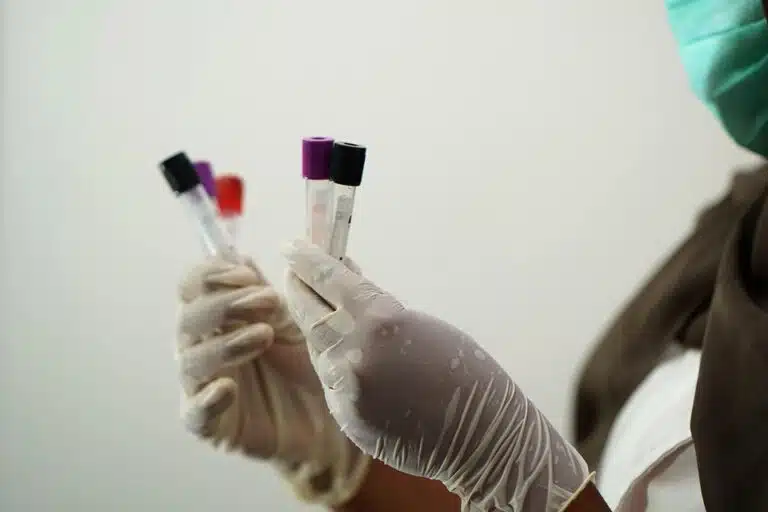
The biochemistry of lysosomal storage diseases creates specific quality requirements for collection, processing, and storage. Many substrate molecules and lysosomal enzymes are relatively unstable, so timing and conditions matter:
- Delays between blood draw and plasma/serum separation can affect enzyme activity measurements
- Freeze-thaw cycles can degrade glycosphingolipids and other substrate molecules
- Improper storage temperature or duration can compromise sample integrity for certain analytes
High-quality LSD research biospecimens need standardized procedures. These include the right anticoagulant for whole blood collection (EDTA or heparin, depending on the analysis), plasma separation within 2–4 hours of collection, aliquoting that minimizes freeze-thaw cycles, and consistent ultra-low storage temperatures. For PBMCs, cryopreservation protocols need to preserve cell viability and function for downstream work like flow cytometry, gene expression studies, or functional assays.
When collections span multiple sites — as in natural history studies or clinical trials — standardization matters even more. Differences in collection timing, processing, or storage across sites can introduce technical noise that masks real biological signal. Clear standard operating procedures, thorough site training, and quality monitoring keep samples from different locations and timepoints truly comparable.
Supporting Diagnostic Development and Newborn Screening Expansion
Early diagnosis dramatically improves outcomes for many LSDs, since it allows treatment before irreversible organ damage sets in. Newborn screening for Pompe disease, MPS I, and other LSDs has expanded across many U.S. states, catching affected infants before symptoms appear. But interpreting screening results, confirming diagnoses, and predicting severity in screen-positive infants all require solid validation of diagnostic assays. That validation relies on biospecimens from confirmed patients across the full range of disease severity.
Dried blood spot samples from confirmed LSD patients are key validation tools for newborn screening labs. Unlike plasma or serum, dried blood spots are stable at room temperature and don’t need specialized freezers for long-term storage. Biospecimen repositories with characterized dried blood spots from patients with different LSDs, genotypes, and severity levels support quality assurance for screening programs and validation of new screening technologies.
Plasma and serum repositories similarly support development and validation of confirmatory diagnostic assays, disease-monitoring biomarker tests, and tools for predicting severity in newly diagnosed patients. Mass spectrometry and other analytical platforms keep improving. As they do, biospecimen repositories make it possible to discover new diagnostic markers that offer earlier detection, better prognosis, or more accurate tracking of treatment response.
Ethical Considerations and Patient Advocacy Partnerships
LSD research benefits enormously from strong partnerships with patient advocacy organizations, many of which have invested in natural history studies, patient registries, and biobanking. Groups like the National Gaucher Foundation, Fabry Support & Information Group, and various MPS-specific advocacy organizations understand this well. Strong biospecimen resources speed up therapeutic development and help attract industry investment in their conditions.
Ethical frameworks for LSD biospecimen collection need to address informed consent that clearly explains research purposes and data sharing plans. Consent should also cover possible future use of samples for studies not yet designed. For pediatric LSD populations, consent needs to properly involve parents or guardians while respecting a child’s developing autonomy. Data privacy protections must ensure genomic and clinical information tied to biospecimens can’t lead to re-identification or discriminatory use.
Patient engagement goes beyond consent — it means active partnership in setting research priorities, shaping study design, and sharing results. Patient advocacy representatives on research advisory committees help ensure biospecimen-based studies answer questions that matter to patients and families. Their views on acceptable participant burden, study procedure preferences, and treatment development priorities shape research in ways lab researchers alone might miss.
From Study Design to Receipt of Samples: Comprehensive LSD Biospecimen Solutions
Moving lysosomal storage disease research from today’s treatment limitations toward precision medicine takes biospecimen resources that capture the molecular complexity, variability, and time course of these conditions. Whether you’re investigating disease mechanisms, developing diagnostics, optimizing current therapies, or validating gene therapy approaches, you need high-quality samples with detailed genomic annotation and clinical characterization.
Sanguine’s rare disease biospecimen capabilities include samples from patients with confirmed Fabry disease, Gaucher disease, MPS disorders, Pompe disease, Krabbe disease, and other lysosomal storage conditions. Our direct-to-patient collection network reaches geographically diverse populations across the United States, while maintaining rigorous quality standards from study design to receipt of samples. Matched sample sets, longitudinal collections, and custom cohort recruitment support research across the LSD spectrum.
Explore available rare disease biospecimens, including lysosomal storage disease samples, or talk with us about custom cohort recruitment for your specific research needs. Our genomic annotation, quality-controlled collection procedures, and patient-centric protocols support LSD research from basic mechanistic studies through clinical therapeutic development. Contact us to learn how we can support your lysosomal storage disease research goals.
References
- Delve Insight. Lysosomal Storage Disorders: A Rare Disease Overview. Published 2024. Accessed December 10, 2024. Lysosomal Storage Disorders: A Rare Disease Overview
- Porterhouse Medical. Rare Disease Day 2024: A Spotlight on Lysosomal Storage Disorders. Published February 2024. Accessed December 10, 2024. Rare Disease Day 2024: A Spotlight on Lysosomal Storage Disorders
- Lysosomal Disease Research and Treatment Center. 2024: A Year in Review Highlights from the LDRTC Clinical Trials and Research Unit. Newsletter. Published 2024. Accessed December 10, 2024. 2024: A Year in Review Highlights from the LDRTC Clinical Trials and Research Unit
- Chiesi Global Rare Diseases. Chiesi Global Rare Diseases Launches New Research Grant Initiative to Support Research Excellence in Lysosomal Storage. Press release. Published September 9, 2024. Accessed December 10, 2024. Chiesi Global Rare Diseases Launches New Research Grant Initiative to Support Research Excellence in Lysosomal Storage
- Kido J, Sugawara K, Nakamura K. Gene therapy for lysosomal storage diseases: current clinical trial prospects. Front Genet. 2023;14:1064924. doi:10.3389/fgene.2023.1064924
- National Institutes of Health. NCT00001215: Genetic Studies of Lysosomal Storage Disorders. ClinicalTrials.gov. Accessed December 10, 2024. NCT00001215: Genetic Studies of Lysosomal Storage Disorders