
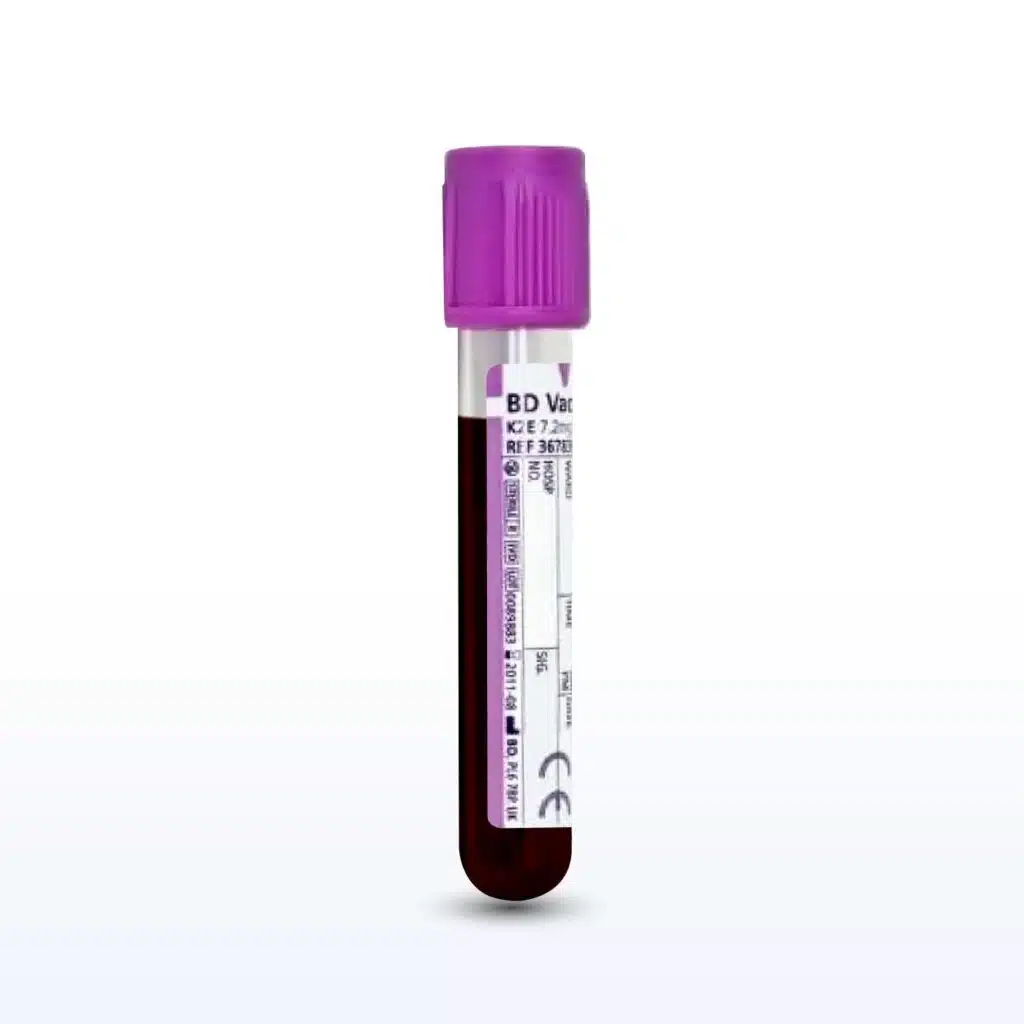
Acute Intermittent Porphyria Whole Blood
 Powered by Bioz
About:Acute Intermittent Porphyria Whole Blood from consented donors with confirmed AIP, an inherited disorder of haem biosynthesis caused by HMBS (hydroxymethylbilane synthase) deficiency. Suitable for HMBS genotyping, enzyme activity assays and haem pathway research. Symptomatic versus latent carrier stratification available.
About Acute Intermittent Porphyria Whole Blood
Acute Intermittent Porphyria Whole Blood for Inherited Metabolic Disease Research
Fresh Acute Intermittent Porphyria (AIP) Whole Blood is collected from IRB-consented donors with clinically confirmed acute intermittent porphyria and shipped same day. AIP is an inherited disorder of haem biosynthesis caused by pathogenic variants in HMBS, the gene encoding hydroxymethylbilane synthase (also known as porphobilinogen deaminase). Partial loss of this enzyme activity creates a bottleneck in the haem synthesis pathway that can precipitate acute neurovisceral attacks. These fresh samples support biochemical genetics, translational and therapeutic research.
The Haem Biosynthesis Defect and Why Whole Blood
- AIP is monogenic. Heterozygous HMBS variants reduce hydroxymethylbilane synthase activity, partially blocking the third step of haem biosynthesis — this is an inherited enzyme defect, not an autoimmune or inflammatory disease.
- When hepatic demand for haem rises, upregulation of the pathway’s first and rate-limiting enzyme, ALA synthase 1, drives accumulation of the upstream intermediates delta-aminolevulinic acid and porphobilinogen; these are held to underlie the neurovisceral manifestations of an acute attack.
- Penetrance is low. Most individuals carrying an HMBS variant remain latent and asymptomatic for life, so donor status — symptomatic versus latent carrier — is the single most important stratification variable.
- Attacks are typically provoked by identifiable triggers including certain drugs, fasting or reduced caloric intake, alcohol, infection and hormonal fluctuation, which is why documented trigger and attack history is valuable metadata.
- Whole blood provides genomic DNA for HMBS variant analysis, erythrocytes for enzyme activity determination, and the plasma compartment for pathway intermediates and metabolic characterisation from a single collection.
- Because whole blood is cellular, it also supports RNA-based expression profiling and cell-based assays, which acellular matrices cannot.
Donor Stratification Available
- Donor status: symptomatic (history of documented acute attacks) versus latent or asymptomatic carrier
- Attack frequency: sporadic attacks versus recurrent attacks
- Collection timing: during an acute attack versus in remission between attacks
- Documented HMBS genotype where available
- Treatment status: haem arginate or hemin therapy, RNA interference therapy, or no prophylactic treatment
- Matched healthy controls available, including unaffected family members where consented
Product Features
- Fresh whole blood from clinically diagnosed AIP donors
- Custom tubes and anticoagulants available
- Collected and shipped same-day for maximum freshness
- Custom volumes available on request
- Research Use Only (RUO)
De-identified Donor Data
- Confirmed AIP diagnosis by physician or specialist, with diagnostic method where documented
- Demographic details: age, sex assigned at birth, ethnicity
- Medical history including allergies and infectious disease status
- Attack history, documented triggers and current treatment where available
Applications
- HMBS variant detection and genotyping assay development
- Erythrocyte hydroxymethylbilane synthase enzyme activity assay work
- Haem biosynthesis pathway characterisation and pathway intermediate research
- Gene expression and transcriptomic analysis of pathway regulation
- RNA interference and gene therapy target engagement research
- Attack versus remission comparative biomarker discovery
- Carrier identification and family screening assay development
- Drug response and mechanism-of-action studies, including hepatic ALA synthase 1 suppression
Other Acute Intermittent Porphyria Specimen Types
- Acute Intermittent Porphyria Plasma
- Acute Intermittent Porphyria Serum
- Acute Intermittent Porphyria PBMC
Compliance and Quality Assurance
- IRB-approved protocols and electronic informed consent
- HIPAA-compliant data management
Ordering & Customization
Acute intermittent porphyria whole blood is available in a range of standard and custom volumes. For pricing, current availability, international orders or documentation requirements, please email learnmore@sanguinebio.com to ensure compatibility with your country’s regulations. To browse donor cohorts across our full inventory, visit our human whole blood page.
Applications
- Hematology and clinical chemistry research
- Plasma, serum, and PBMC isolation
- Flow cytometry and biomarker studies
- Drug-spike and ex vivo stimulation assays
Product Features
- Research Use Only (RUO), human whole blood
- Collected from screened, consented donors
- Available in EDTA, sodium heparin, ACD, or citrate anticoagulants
- Shipped fresh under temperature-controlled conditions
- Drawn and shipped same day of collection
- IRB-approved protocols with electronic informed consent
Donor Metadata
- Verified diagnosis and clinical history
- Demographic data: age, sex assigned at birth, race/ethnicity
- Medication and treatment background when available
Compliance and Quality Assurance
- IRB-approved collections and standardized procedures
- 21 CFR Part 11-compliant e-consent system
- HIPAA-compliant data management
Ordering & Customization
Human Whole Blood are available in customizable aliquot sizes. For international orders or documentation needs, please contact learnmore@sanguinebio.com to confirm requirements and availability. We also work with multiple ordering platforms and distributors, learn more here.
Whole Blood
Where can I find your complete catalog?
You can find our full product catalog here.
How long can samples be stored?
Storage depends on sample type but often cryopreserved samples stored in liquid nitrogen can be stored for years.
What customization options are available?
Extensive customization is available. To discuss your project request a quote or email us at learnmore@sanguinebio.com.
Do you offer prospective collections?
Sanguine offers flexible prospective collection services tailored to fit your research. For more information and to request a quote, please see: our prospective biospecimen collection services page.
What is the turnaround time for custom collections?
Timelines depend on condition, sample type, and I/E criteria but we often start collection within 2 weeks of signed agreement.
Do you have samples in stock?
YES - we have in-stock inventory. You can also email us at learnmore@sanguinebio.com as we continually get new samples in our inventory.
What does unique donor mean?
Each sample from a different individual - Unique donor means each sample comes from a different person, ensuring biological diversity in your study.
Are samples collected under IRB-approved protocols?
YES - "IRB-approved collection protocols" and IRB approval documentation available upon request. Sanguine utilizes two internationally-recognized IRBs (Advarra and WCG IRB) for review and approval.
Frequently Asked Questions
Ask a Question
Pair with a Healthy Control
Match your Acute Intermittent Porphyria Whole Blood with normal donor samples for comparison
Healthy Whole Blood
View InventoryNeed a custom Whole Blood cohort?
Our scientific team can scope prospective collections with donor-specific I/E criteria, typically starting within 2 weeks of agreement.