New Findings in Cell Based Therapy for GBM

Why GBM Is So Hard to Treat
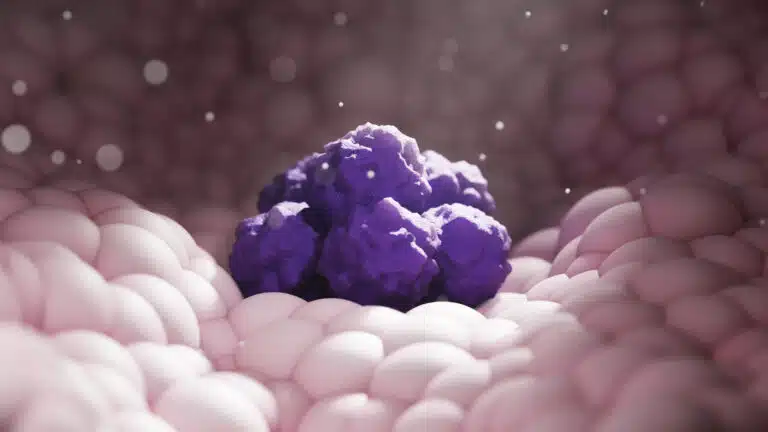
Glioblastoma multiforme (GBM) is the most common and most lethal type of malignant primary brain tumor, accounting for over 70% of all intracranial cancers.
Current GBM treatment involves surgically removing the main tumor mass, followed by radiation and chemotherapy. Surgery injures the surrounding normal tissue, while chemotherapy and radiotherapy damage healthy brain tissue. These side effects take a major toll on patients’ physical, cognitive, and emotional wellbeing.
Despite this aggressive treatment and its harmful side effects, GBM remains nearly incurable – median survival after diagnosis is still under 14 months. This poor outlook stems from unique anatomical features of the central nervous system (CNS), combined with GBM’s exceptional ability to invade surrounding tissue. Glioma cells infiltrate the brain’s dense tissue, migrating along the corpus callosum and forming new tumor masses on the opposite side of the brain from the original tumor.
Why GBM Keeps Coming Back
As a result, recurrence in GBM patients after surgery is essentially inevitable. GBM tumors are also highly heterogeneous – not just between patients, but within a single tumor mass.
Recent studies point to a treatment-resistant subpopulation of malignant glioma cells with stem-cell-like characteristics, including multipotency, the ability to self-renew, and the ability to invade and migrate. These tumor-initiating cells are called glioma stem cells (GSCs), and they’re believed to drive tumor initiation and recurrence in GBM patients. GSCs have also been observed occupying niches similar to those used by neural stem cells (NSCs).
Using Stem Cells to Deliver Therapy
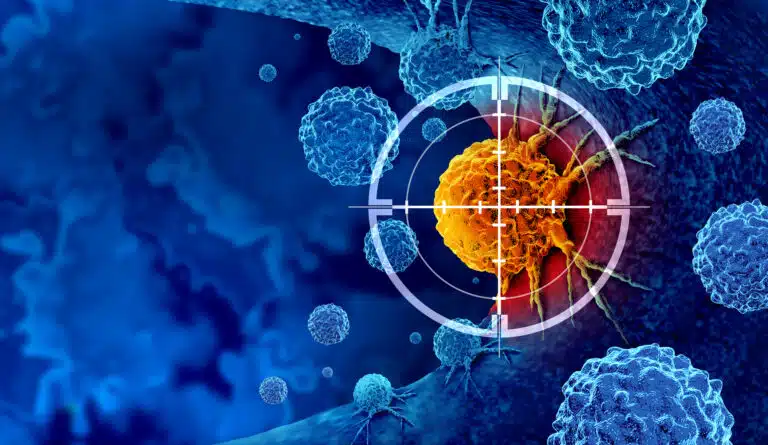
NSCs and mesenchymal stem cells (MSCs) can migrate exceptionally well through brain tissue and have a natural tendency to home in on tumors. Because of this, several cell-based therapy (CBT) studies and clinical models for malignant tumors have used NSCs and MSCs to autonomously track tumor cells and deliver therapeutic genes directly to the tumor site.
In this targeted drug-delivery approach, NSCs or MSCs are engineered to express a pro-drug-activating enzyme. This enzyme converts an inactive pro-drug into an active toxic agent, concentrating the chemotherapy specifically at the tumor site. This approach delivers effective cytotoxic damage to the tumor without harming healthy surrounding tissue. It also produces a bystander effect, killing not just the drug-delivery vehicle cells but nearby glioma cells too.
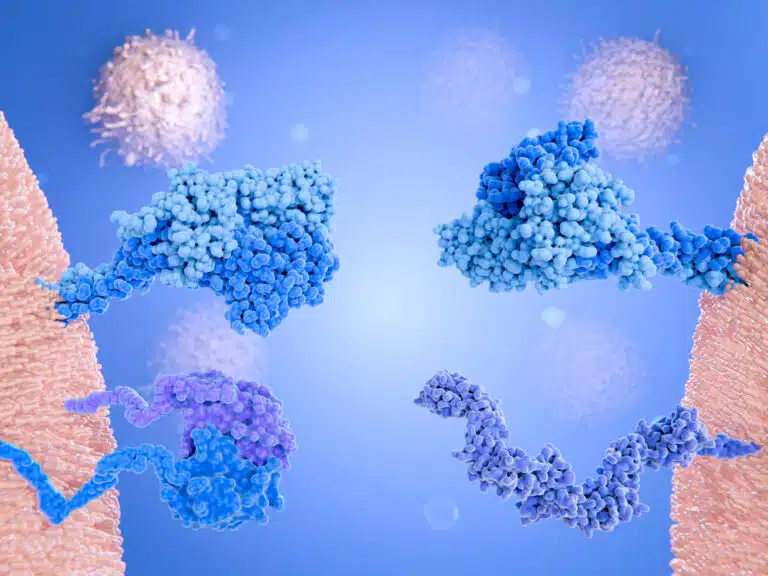
Several enzyme/prodrug systems have been tested for this purpose, but HSV-thymidine kinase (HSV-tk) paired with the deoxyguanosine analog ganciclovir (GCV) is the most commonly tested combination in animal and in vitro models. HSV-tk phosphorylates GCV, producing deoxyguanosine triphosphate – a polymerase-I inhibitor and DNA chain terminator. Cell death follows once this nucleotide analog is incorporated into DNA chains.
New Findings on MSCs and Glioma
In a recent study published in Molecular Therapy, Blanco’s group reported new findings on how human MSCs (hMSCs) interact with gliomas, and the mechanism behind hMSC-based therapy’s effectiveness in GBM. In earlier work, Blanco’s group showed that administering hAMSCs expressing HSV thymidine kinase into glioma tumors significantly promoted tumor growth, while triggering cytotoxicity with the prodrug GCV produced a significant antitumor response.
In this new study, hMSCs differentiated into endothelial-lineage cells (shown by expression of the CD31 marker) within tumors, integrating into the tumor’s vascular system and taking on an endothelial phenotype. Blanco proposed that hMSCs’ ability to home to the same privileged vascular structures where GSCs reside is the key trait behind cytotoxic hMSCs’ effectiveness at killing nearby tumor cells.
What’s Next
Blanco’s study offers valuable insight into the GSC niche and its role in malignant brain tumor CBT. However, hMSCs’ tendency to promote tumor growth makes them less than ideal for use in human clinical trials in the near term. Future studies using primary patient tumor cells, rather than the U87 glioma cell line, and human NSCs, are needed to confirm these observations.
Further reading:
Juli R. Bagó, Maria Alieva, Carolina Soler, Núria Rubio, Jerónimo Blanco. Endothelial differentiation of adipose tissue-derived mesenchymal stromal cells in glioma tumors: implications for cell based therapy. Molecular Therapy.