
MPS Disorders Explained: Biospecimen Needs for Mucopolysaccharidosis Research
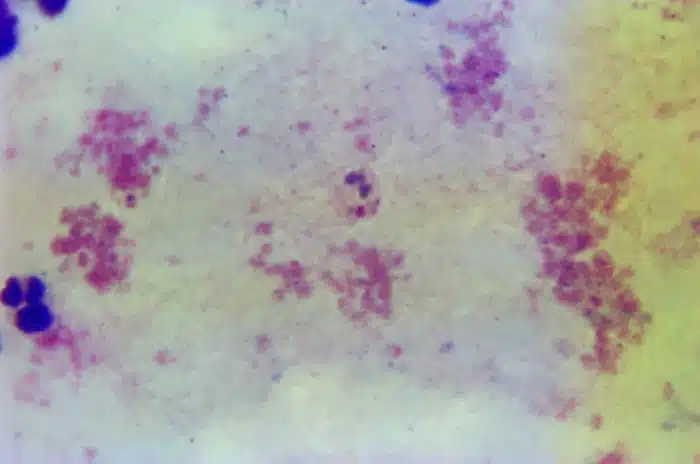
Photo Credit: CDC/ Dr. Mae Melvin
Mucopolysaccharidosis (MPS) disorders are a family of rare genetic diseases. They’re caused by a shortage of specific enzymes needed to break down glycosaminoglycans (GAGs). These conditions are among those supported by our genetic disease biospecimen portfolio. These inherited metabolic disorders affect about 1 in 25,000 births and include seven distinct disease types, each caused by a deficiency in a different enzyme. From MPS I (Hurler syndrome) to MPS VII, these conditions all share one core feature: GAGs build up in the body and cause progressive damage across multiple organ systems.
Research into MPS disorders has picked up speed in recent years, driven by new enzyme replacement therapies, gene therapies, and substrate reduction approaches. Each of these treatments needs specialized biospecimens for development, validation, and monitoring. Understanding what MPS research actually requires is essential for investigators working to advance treatment for these serious conditions.
For MPS researchers, biospecimens serve several critical purposes:
- Confirming a genetic diagnosis
- Measuring enzyme activity
- Quantifying GAG buildup
- Monitoring treatment response
- Understanding how the disease progresses over time
Sample quality and characterization can significantly affect research outcomes and how quickly better therapies get developed.
Understanding MPS Disorder Types and Genetic Basis
MPS disorders fall into seven types (MPS I, II, III, IV, VI, VII, and IX), each caused by a deficiency in a specific enzyme.
- MPS I results from a lack of alpha-L-iduronidase and ranges from severe (Hurler syndrome) to milder (Scheie syndrome) forms.
- MPS II (Hunter syndrome) is the only X-linked MPS disorder, caused by a deficiency in iduronate-2-sulfatase.
- MPS III (Sanfilippo syndrome) has four subtypes (A, B, C, D), each caused by a different enzyme deficiency involved in breaking down heparan sulfate. This group causes severe damage to the central nervous system and progressive neurodegeneration.
- MPS IV (Morquio syndrome) mainly affects the skeleton.
- MPS VI (Maroteaux-Lamy syndrome) causes severe skeletal and organ damage without affecting cognition.
Each MPS type builds up specific GAGs in different tissues, creating distinct clinical patterns. This means biospecimen needs differ depending on which MPS type is being studied. Cellular immune samples such as PBMCs, purified T cells, and NK cells are commonly used to study genotype-phenotype relationships and immune involvement in disease progression.
Essential Biospecimen Types for MPS Research
Blood samples are the foundation of MPS biospecimen collections.
- Whole blood enables DNA extraction for genetic testing and variant characterization.
- Plasma provides material for enzyme activity assays, which are critical for confirming a diagnosis and monitoring therapy.
- Serum supports GAG quantification, a primary disease biomarker.
Urine samples are uniquely valuable because GAGs are excreted at elevated levels. Collecting them serially lets researchers track substrate buildup over time, which is especially useful in pediatric studies.
Fibroblast cell lines derived from skin punch biopsy samples provide essential cellular models for studying disease mechanisms, validating gene therapies, and testing drug approaches.
For inflammatory or joint-related symptoms, extracellular matrices such as synovial fluid can offer additional insight into disease burden and treatment response.
GAG Quantification and Analysis
Measuring glycosaminoglycans is a cornerstone of MPS research. Levels in serum, plasma, and tissue-derived samples correlate with disease severity and how well treatment is working.
Advanced techniques like mass spectrometry now allow highly sensitive GAG measurements even in small sample volumes. Larger validation studies may use bulk plasma to establish reference ranges and assay performance across populations.
Enzyme Activity Testing Requirements
Enzyme activity assays confirm the biochemical defect behind each MPS type. These tests commonly rely on plasma, leukocytes isolated from whole blood, or high-yield collections such as leukopak preparations for expanded cell-based testing.
Tracking enzyme levels over time in treated patients helps demonstrate that the treatment is working and helps optimize dosing.
Genetic Characterization and Annotation
Thorough genetic characterization links biospecimens to specific disease-causing variants, mutation type, and predicted effect on enzyme function. RNA analysis from patient-derived cells reveals abnormal splicing patterns and reduced transcript levels that explain why some cases are more severe than others.
Diverse genomic datasets generated from immune cells such as PBMCs improve the accuracy of variant interpretation and enable genotype-phenotype correlation studies.
Clinical Annotation for MPS Biospecimens
MPS biospecimens need detailed clinical annotation that captures how the disease affects multiple organ systems. Growth measurements, heart function, skeletal imaging, and neurocognitive testing should all be linked to the biospecimen’s collection date.
Treatment history matters too, since many patients receive enzyme replacement or substrate reduction therapy. Accurate annotation ensures that biomarker analysis correctly accounts for these treatment effects.
Longitudinal Collections for Natural History Studies
Natural history studies benefit enormously from longitudinal collections that track biomarkers over time. Serial plasma, serum, and cellular samples reveal how the disease progresses and how patients respond to treatment.
Pediatric longitudinal collections are especially valuable, since they capture disease progression as a child grows and their organs mature.
Sourcing MPS Biospecimens for Research
Researchers can access MPS biospecimens through advocacy organizations, academic centers, or specialized biospecimen providers. Collections spanning multiple sample types — including immune cell isolates, apheresis leukopaks, and biofluids — help accelerate research programs while ensuring quality and compliance.
Conclusion
MPS disorders present unique challenges and opportunities for biospecimen-based research. The need for specialized analyses like GAG quantification and enzyme testing, combined with how rare these diseases are, makes access to well-characterized samples especially valuable.
As gene therapies and new enzyme formulations advance, demand for high-quality biospecimens will keep growing. Establishing reliable access to diverse sample types early in research planning can significantly speed up MPS research programs. That, in turn, benefits the patients affected by these serious disorders. Explore our full genetic disease biospecimen portfolio for related rare and inherited metabolic conditions.
Explore Available Biospecimens
Browse available materials including PBMCs, leukopaks, plasma, serum, whole blood, skin biopsies, and synovial fluid to support mucopolysaccharidosis research.


