Why PBMC Blood Remains a Cornerstone of Human Immune Cell Research

Why PBMC Blood Remains a Cornerstone of Human Immune Cell Research
The tools available to immunology researchers have evolved rapidly over the past decade. Advances in single-cell sequencing, high-parameter flow cytometry, and multiomic analysis now allow researchers to study immune responses with unprecedented detail. Despite these developments, peripheral blood mononuclear cells (PBMCs) remain one of the most widely used sample types in translational research.
PBMC blood samples provide access to diverse populations of circulating immune cells, including T cells, B cells, natural killer cells, and monocytes. Because these cells can be collected through a routine blood draw and isolated for downstream analysis, PBMCs offer researchers a practical way to study human immune biology using primary cells. Their continued use across oncology, infectious disease, and autoimmune research highlights their value in understanding complex immune responses. For a foundational overview of what these cells are and what they contain, see our guide to what PBMCs are. Researchers looking for additional context on sourcing and handling can explore Sanguine’s human PBMC samples for research as well as related guidance on PBMC isolation and cryopreservation protocols.
What makes PBMC blood so widely used in research?
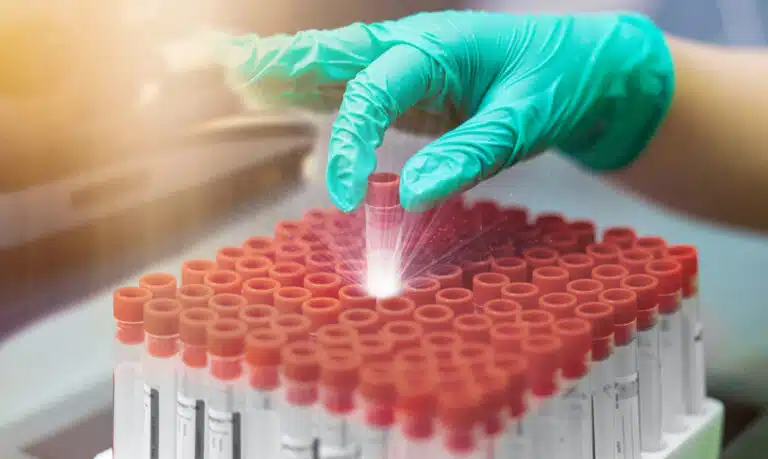
PBMC blood is widely used because it provides a minimally invasive way to study the immune system in a physiologically relevant state. Unlike tissue biopsies, blood samples can be collected repeatedly, making them especially valuable for longitudinal studies, clinical trials, and immune monitoring programs.
Researchers often ask why PBMCs are preferred over other blood fractions. The key reason is that PBMCs contain the major immune populations responsible for adaptive and innate immune responses. These include lymphocytes and monocytes, which are central to inflammation, immune activation, and immune regulation.
Because PBMCs circulate throughout the body, they also reflect systemic immune activity rather than localized tissue effects. This makes them particularly useful in studies where researchers are trying to understand whole-body immune responses, such as vaccine response or immune checkpoint therapy outcomes.
For studies requiring higher cell yields or more experimental flexibility, researchers often move from standard PBMC collections to bulk PBMCs, which allow for larger-scale assays and multi-condition experimental designs.
What is a PBMC cell and why is it important?
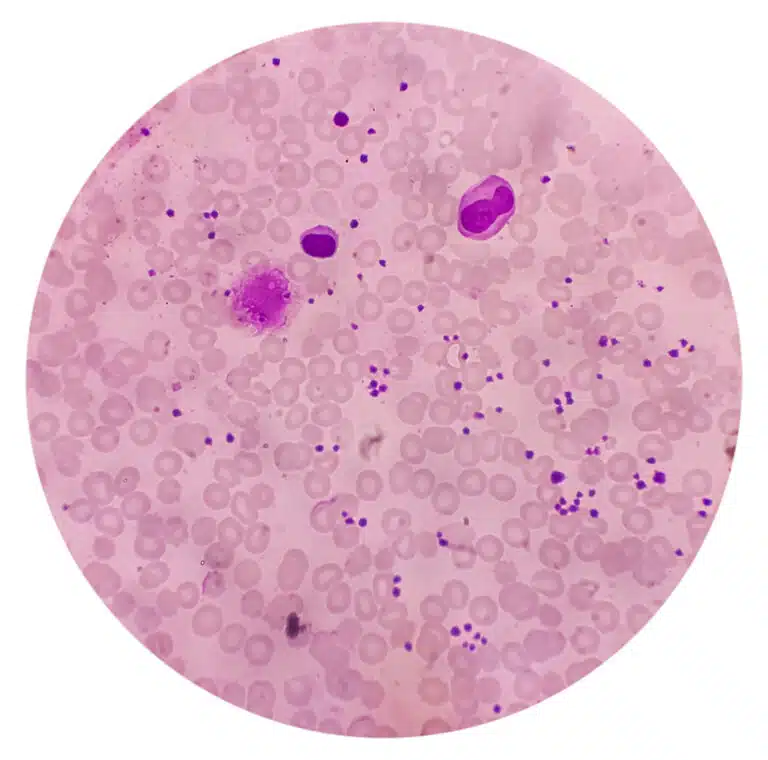
A PBMC cell refers to any individual mononuclear immune cell isolated from peripheral blood. These include T cells, B cells, natural killer cells, and monocytes. Each population plays a distinct role in immune function, but together they provide a comprehensive view of human immune activity. For a detailed breakdown of each population and what a PBMC preparation does and does not contain, see our complete guide to human PBMCs.
One common question in immunology research is whether PBMC cells behave differently from immortalized cell lines. The answer is yes. PBMC cells retain donor-specific biological characteristics, which means they better reflect real immune behavior compared to transformed or cancer-derived cell lines.
This is particularly important in translational research, where researchers are trying to understand how human immune systems respond to disease or therapy. PBMC cells are frequently used in functional assays, including cytokine release studies, immune activation profiling, and cytotoxicity assays.
They are also widely used in advanced immune characterization workflows such as immunophenotyping studies and single-cell sequencing experiments, where cellular heterogeneity can provide insight into disease mechanisms.
How are PBMCs used in modern immune profiling?
Modern immune profiling relies heavily on PBMCs because they provide a diverse and highly informative snapshot of the immune system. Researchers can analyze gene expression, protein markers, and functional responses across multiple immune cell types within a single sample.
PBMCs are commonly used in studies involving autoimmune disease, infectious disease, oncology, and vaccine development. In each of these fields, researchers are trying to understand how immune cells behave under different biological conditions and how those behaviors relate to disease outcomes.
A key advantage of PBMC-based profiling is compatibility with single-cell technologies. Instead of averaging signals across large populations of cells, researchers can now identify rare immune subsets, track differentiation states, and map cellular trajectories over time.
This level of resolution has made PBMCs central to biomarker discovery and translational study design.
Why PBMC blood continues to be essential in translational research
One of the main reasons PBMC blood remains so widely used is its flexibility. It can support everything from basic immune characterization to complex multiomic studies.
In oncology research, PBMCs are used to evaluate immune responses to checkpoint inhibitors and cellular therapies. In infectious disease research, they help characterize host-pathogen interactions. In autoimmune disease research, they provide insight into dysregulated immune activation and chronic inflammation.
Researchers often combine PBMC data with serum-based measurements or tissue-derived datasets to build a more complete picture of disease biology. This integrative approach is becoming increasingly important as precision medicine continues to evolve.
For researchers designing studies, additional resources on human serum and human plasma can help contextualize how PBMC data complements circulating biomarker analysis.
What should researchers consider when working with PBMCs?
A common question is whether PBMC quality affects downstream results. The answer is yes. Factors such as collection timing, processing time, and cryopreservation method can all influence cell viability and functionality.
This is why standardized protocols are important in PBMC-based research. Proper handling ensures that immune cell behavior reflects biological conditions rather than technical artifacts. Researchers often rely on validated workflows such as those outlined in Sanguine’s PBMC isolation, quality, and sourcing guide to maintain consistency across studies.
Conclusion
PBMC blood samples remain one of the most versatile and widely used biospecimens in immunology and translational research. Their ability to provide access to primary immune cells, support advanced analytical techniques, and reflect systemic immune activity makes them essential for modern biomedical studies.
Whether researchers are studying immune activation, identifying biomarkers, or evaluating therapeutic response, PBMC cells continue to provide a reliable and biologically relevant foundation for experimental design.