What Is Leukapheresis? How Leukopaks Are Collected for Research
What Is Leukapheresis?
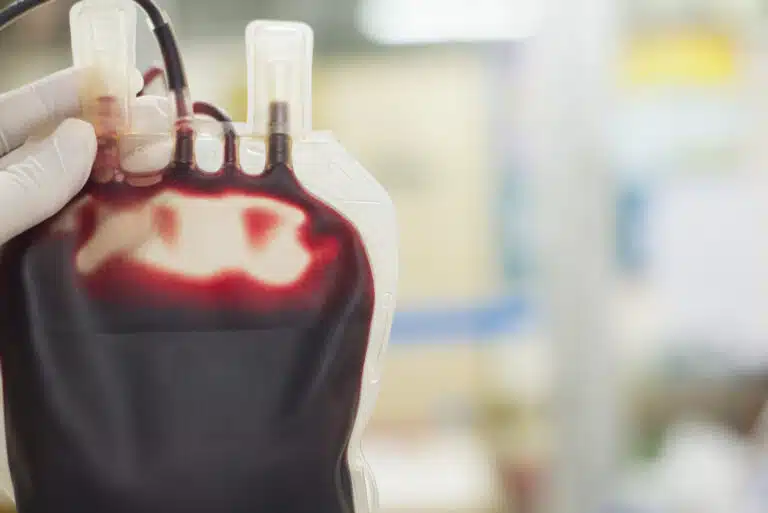
Leukapheresis is a type of apheresis procedure that isolates and collects white blood cells (leukocytes) from a donor’s peripheral blood. During the procedure, blood is drawn from the donor and passed through an apheresis instrument that separates the blood into its components by density. The white blood cell layer is collected, and the remaining components — red blood cells, platelets, and plasma — are returned to the donor. The concentrated leukocyte product that results is called a leukopak.
How the Leukapheresis Procedure Works
A typical leukapheresis collection takes two to four hours and is performed under IRB-approved protocols with donor informed consent. Blood is continuously cycled through the apheresis system, which uses centrifugation to separate cells by density. Because only the white-cell fraction is retained and the rest is returned to the donor, leukapheresis can collect far more mononuclear cells than a single whole-blood draw, without exceeding safe blood-volume limits.
Leukapheresis vs. a Standard Blood Draw
A standard blood draw of one tube yields a limited number of peripheral blood mononuclear cells (PBMCs). A single leukapheresis collection, by contrast, can yield billions of PBMCs — often the equivalent of many standard blood draws. This dramatically higher yield is why researchers who need large, consistent cell numbers from a single donor rely on leukopaks rather than tubes of whole blood.
What Is a Leukopak?
A leukopak is the enriched leukocyte product collected by leukapheresis. It contains a high concentration of PBMCs — including T cells, B cells, monocytes, NK cells, and dendritic cells — making it an ideal starting material for immune-cell isolation and downstream research. Leukopaks are available as fresh or cryopreserved products, and in research-grade formats for cell and gene therapy development.
Applications in Research
- Immunology and immunophenotyping
- Immuno-oncology drug screening
- Cell and gene therapy research and development
- CAR-T and other engineered cell therapy workflows
- Large-scale PBMC isolation and cryopreservation
Sourcing Leukopaks from Sanguine
Sanguine collects human leukopaks by leukapheresis from IRB-consented healthy and disease-state donors, with fresh and cryopreserved options, custom donor criteria, and HLA typing available. Contact learnmore@sanguinebio.com to reserve a scheduled collection.