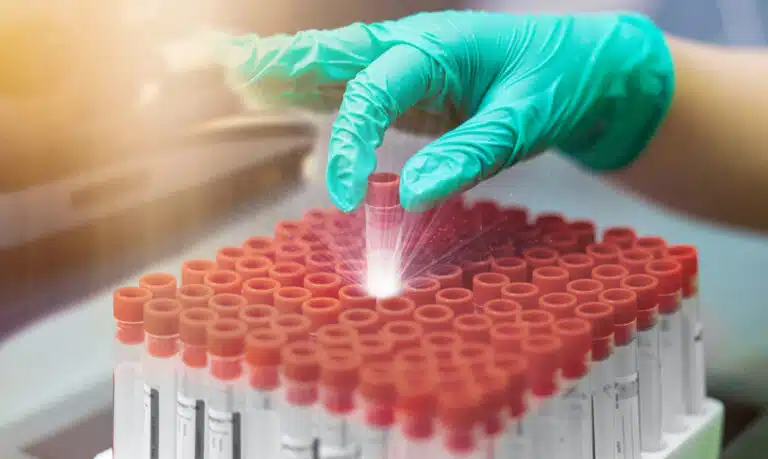
Primary Immunodeficiency Research: Specialized Immune Biospecimens
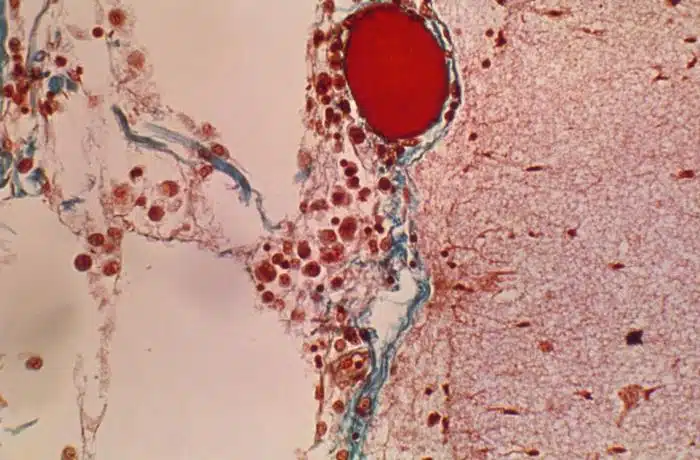
Photo Credit: CDC/ Dr. Flynt (Public Domain)
Primary immunodeficiencies (PIDs), also called inborn errors of immunity, are a group of more than 500 genetically defined disorders that disrupt immune development and function. Each one is rare on its own, but together they represent a major unmet need in immunology, pediatrics, and translational medicine across the United States. Delayed diagnosis and a limited number of available patients continue to slow therapeutic progress.
Blood-based biospecimens are central to PID research. Immune cell dysfunction, antibody deficiencies, cytokine abnormalities, and signaling defects are best studied directly using peripheral blood. High-quality Human PBMCs enable deep immune phenotyping, functional assays, and transcriptomic profiling that reveal what’s actually driving the disease.
From early diagnosis to therapeutic development, PID research depends on biospecimens collected, processed, and annotated to rigorous standards. Choosing the right specimen type directly determines how interpretable and reproducible your results will be.
Understanding Primary Immunodeficiency Disorders
Primary immunodeficiencies come from germline mutations that affect innate or adaptive immune pathways. Disorders range from severe combined immunodeficiency (SCID), marked by a near-total absence of T cells and B cells, to selective antibody deficiencies with much subtler symptoms. They can be inherited in autosomal recessive, autosomal dominant, or X-linked patterns.
Combined immunodeficiencies impair both cellular and humoral immunity, leading to severe infections early in life. Antibody deficiencies such as common variable immunodeficiency (CVID) mainly affect B-cell maturation and antibody production. Phagocytic disorders disrupt neutrophil or macrophage function, while complement deficiencies impair the clearance of immune complexes.
Genetic diversity is a defining feature of PID. The same clinical presentation can come from very different molecular defects, which complicates diagnosis and treatment. Human Whole Blood provides high-quality genomic DNA for whole-genome sequencing, exome sequencing, and variant confirmation — all essential for precise molecular classification.
Understanding the natural history of each PID subtype requires long-term access to well-characterized biospecimens from both affected individuals and unaffected family members.
PBMCs in Primary Immunodeficiency Research
Peripheral blood mononuclear cells remain the cornerstone of PID investigation. Human PBMCs enable multiparameter flow cytometry that assesses T-cell, B-cell, NK-cell, and monocyte subsets. Abnormal cell distribution, activation states, and memory phenotypes often define specific immunodeficiency syndromes.
Functional assays on PBMCs give mechanistic insight that genetics alone can’t provide. T-cell proliferation, cytokine secretion, cytotoxicity testing, and signaling pathway activation reveal defects that aren’t visible from genetic data. These assays are critical for interpreting new variants and confirming their functional effect.
Transcriptomic and epigenetic profiling of PBMCs uncovers disrupted immune programs driving disease. Researchers increasingly recognize interferon signatures, metabolic reprogramming, and exhaustion phenotypes across PID subtypes, connecting rare disorders to broader patterns of immune dysfunction.
High-quality PBMC isolation, cryopreservation, and genomic annotation are therefore essential for reproducible PID research.
Plasma and Serum for Humoral and Inflammatory Profiling
Assessing humoral immunity relies on circulating proteins measured in plasma and serum. Human Plasma supports measurement of cytokines, chemokines, complement components, and inflammatory mediators. Dysregulated cytokine profiles often correlate with disease severity and infection risk.
Human Serum enables immunoglobulin quantification, vaccine response assessment, and autoantibody detection. In antibody deficiencies, serum IgG, IgA, and IgM levels provide diagnostic criteria and help monitor treatment.
Plasma and serum also support biomarker discovery for tracking treatment response and disease progression. Longitudinal sampling captures immune reconstitution after hematopoietic stem cell transplantation or gene therapy — increasingly common interventions for severe PID.
Carefully controlling pre-analytical variables ensures accurate interpretation of humoral and inflammatory biomarkers.
Critical Considerations When Selecting Primary Immunodeficiency Biospecimens
Researchers designing PID studies should evaluate the following factors:
Sample Quality Indicators
- PBMC viability exceeding 85% post-thaw for functional assays
- Processing timelines under 4 hours preserving immune cell integrity
- Cryopreservation protocols optimized for lymphocyte recovery
- Validated flow cytometry panels with documented performance
- Consistent storage at −80 °C or vapor-phase liquid nitrogen
- Batch-level quality control metrics available for review
Clinical and Genetic Verification
- Confirmed PID diagnosis with genetic testing when available
- Detailed infection history documenting clinical severity
- Treatment exposure history (IVIG, antibiotics, immunosuppressants)
- Vaccination response data when relevant
- Family history supporting segregation analysis
- Longitudinal samples enabling natural history studies
These criteria help ensure biospecimens are fit for advanced immunological research.
Whole Blood and T Cells in Advanced PID Studies
Some PID studies need intact cellular populations beyond what a PBMC preparation offers. Human Whole Blood supports RNA-based assays, epigenetic profiling, and genomic integrity assessments without the artifacts that isolation can introduce.
Purified immune subsets add further resolution. Human CD3 T Cells enable focused study of T-cell receptor signaling, exhaustion, and cytotoxic function. These cells are essential for studying T-cell-centric disorders such as SCID, ZAP-70 deficiency, and CD3 complex mutations.
Isolated T cells also support gene therapy development, including ex vivo gene correction and functional rescue experiments. As precision medicine advances, access to well-defined immune cell populations matters more than ever.
Sanguine Bio: Your Primary Immunodeficiency Research Partner
Primary immunodeficiency research needs access to rare, well-characterized patient populations. Sanguine Bio’s direct-to-donor model and broad donor network enable recruitment of confirmed PID cases across the United States, including ultra-rare subtypes.
Custom collection services accommodate specialized study designs, including pediatric sampling, longitudinal follow-up, and family-based cohorts. Comprehensive genomic annotation comes with each biospecimen, preserving clinical, molecular, and technical context from study design to receipt of samples.
Access to hard-to-find populations sets our capabilities apart. Researchers get reliable access to patients with genetically confirmed immunodeficiencies, supporting discovery, validation, and translational development programs. Explore available options via Rare Disease Biospecimens.
Future Directions in Primary Immunodeficiency Research
Gene therapy and genome editing approaches are transforming how PID is treated. Autologous hematopoietic stem cell correction has produced durable immune reconstitution in SCID and related disorders. Ongoing trials continue to expand which conditions can be treated this way.
Newborn screening programs increasingly include PID detection, enabling earlier intervention before complications become irreversible. Precision diagnostics paired with targeted therapies promise better outcomes and a lighter healthcare burden.
Advanced cellular studies using purified immune subsets, including Human CD3 T Cells, will continue to drive mechanistic insight and therapeutic innovation.
Conclusion
Primary immunodeficiency research relies on specialized immune biospecimens that accurately reflect rare and complex immune defects. PBMCs, plasma, serum, whole blood, and purified immune cells together support diagnosis, mechanistic discovery, and therapeutic development.
Through premium-quality samples, rich genomic annotation, and access to rare patient populations, Sanguine Bio supports PID research from study design to receipt of samples.
Check Our Inventory to explore primary immunodeficiency biospecimen solutions.
References (AMA Style)
- Picard C, et al. International Union of Immunological Societies: 2019 update on inborn errors of immunity. J Clin Immunol. 2020;40:24-64. doi:10.1007/s10875-019-00737-x
- Tangye SG, et al. Human inborn errors of immunity. Nat Rev Immunol. 2020;20:713-728. doi:10.1038/s41577-020-00409-7
- Notarangelo LD. Primary immunodeficiencies. J Allergy Clin Immunol. 2010;125:S182-S194.
- Al-Herz W, et al. Primary immunodeficiency diseases: classification. Front Immunol. 2014;5:162.
- Fischer A, et al. Gene therapy for primary immunodeficiencies. Nat Rev Immunol. 2019;19:251-263.
- Buckley RH. The long quest for neonatal screening for SCID. J Allergy Clin Immunol. 2012;129:597-604.
- Chapel H, et al. Common variable immunodeficiency disorders. Lancet. 2008;372:489-502.
- Gennery AR. Advances in hematopoietic stem cell transplantation for PID. Clin Exp Immunol. 2014;178:15-24.
- Kohn DB, et al. Gene therapy for monogenic immune diseases. Nat Rev Immunol. 2021;21:665-678.
- Ochs HD, et al. Combined immunodeficiency disorders. N Engl J Med. 2006;354:195-203.
- Thrasher AJ, et al. Gene therapy for primary immunodeficiencies. Clin Exp Immunol. 2017;188:389-402.
- Holland SM. Chronic granulomatous disease. Clin Rev Allergy Immunol. 2010;38:3-10.
- Heimall J, et al. Newborn screening for PID. J Allergy Clin Immunol. 2018;141:1607-1619.
- Pai SY, et al. Stem cell transplantation for PID. Blood. 2014;123:1974-1985.
- Sullivan KE. Immunologic testing in PID. Clin Rev Allergy Immunol. 2014;46:2-13.