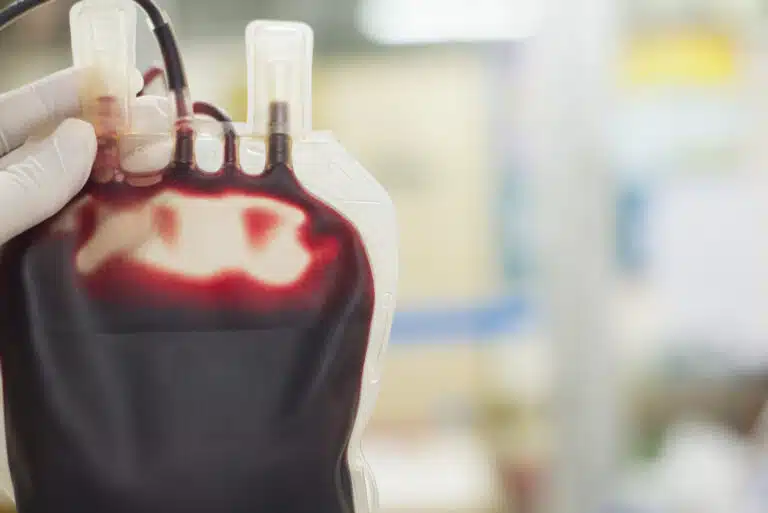
Biospecimen Feasibility: Tips to Maximize Research

Welcome to Sanguine Connections, exploring the process, challenges, and nuances of biospecimen collection for translational studies, including the importance of ensuring biospecimen feasibility throughout the research.

Almost every major breakthrough in medical science has depended on biological samples. These specimens — blood, tissue, saliva, cells, and DNA — fuel research across oncology, immunology, genetics, and drug development. But beneath every breakthrough lies a real challenge: securing the right specimens, in the right quantity, at the right time.
Feasibility is at the heart of every successful study. It determines whether an ambitious research plan moves forward or stalls from a lack of samples. Success takes careful planning, trusted partnerships, and a strategic mindset from the earliest stages of any research project.
Let’s break down the key factors that make or break feasibility. We’ll also highlight the practical steps researchers can take to give their projects the best possible odds of success.
Why Feasibility Demands Attention
Most people don’t realize how complex specimen collection and procurement can be until they hit delays. Why is feasibility such a linchpin? Consider these often-overlooked factors:
- Defining exact donor characteristics – A project looking for blood from adults with lupus who have been untreated for at least a year and have no other health conditions already narrows the field dramatically. It shrinks the pool from millions to just a handful of eligible candidates.
- Logistical and time constraints – Some specimens must arrive fresh, within hours, or be shipped cryogenically. Project timelines can fall apart if geography or infrastructure gets overlooked.
- Budgeting and cost limitations – Rare biospecimens or complex collection protocols often drive up cost and time, so a clear feasibility check early on is essential.
Getting stuck on any of these points can mean missed deadlines, budget overruns, or worse, an abandoned study. A proactive, feasibility-first approach saves researchers a lot of frustration down the line.
Key Variables in Securing Specimens
Effective feasibility planning starts with understanding what actually drives supply and demand in this space. Here’s a closer look:
1. Rarity of the Target Condition
The most visible hurdle is usually how common the condition is. The rarer the diagnosis, the harder it becomes to source high-quality, well-characterized samples. Here’s a look at just a few of the 125+ conditions Sanguine covers through our Donor Network:
|
Condition |
Prevalence in U.S. Adults |
Sample Accessibility |
|---|---|---|
|
~25% |
High |
|
|
0.025% |
Very Low |
|
|
0.04% |
Low |
|
|
~0.02% |
Very Low; Subtyping needed |
Even within a single diagnosis like MG, clinically relevant subtypes (such as AChR vs MuSK antibody positive) add another layer of complexity. A good biospecimen procurement partner does more than match diagnoses to donors. They build real connections within relevant medical and patient communities. They work with advocacy groups and direct-to-donor networks to find hard-to-find donors. For example, this study came together in part through a partnership with the Fabry Support & Information Group.
2. Complexity of Inclusion and Exclusion Criteria
Every criterion applied to a potential donor pool shrinks the eligible group a little more. Age, disease stage, medication history, and genetic variants can all combine to make a study population vanishingly small.
Modern tools, especially comprehensive electronic health records (EHR), allow for rapid screening and identification of potential donors. Large, well-maintained databases are especially valuable when a project has multiple, overlapping inclusion/exclusion criteria. Working with a team experienced in EHR analysis, targeted questionnaires, and pre-feasibility checks helps. It can be the difference between a feasible and an impossible study design.
Get a snapshot of some of the donors we have with our Donor Snapshots for Atopic Dermatitis and Systemic Lupus Erythematosus (SLE).
3. Geographic Diversity
Ideally, specimens come from a broad cross-section of the population, which improves a study’s robustness and generalizability. But broader reach usually means more logistical challenges, especially around collection and shipping.
A few nuances worth considering:
- Broad reach: Offers greater demographic and clinical diversity; best for studies aiming to generalize their results.
- Local concentration: Useful for time-sensitive specimens, special handling needs, or when processing must happen quickly.
Each collection model involves tradeoffs between sample freshness, representativeness, and cost.
4. Scale and Community Relationships
The size of an existing donor community is one of the best predictors of feasibility. Groups with active direct-to-donor engagement can respond faster to new requests, even for hard-to-reach patient populations. These groups often have access to tens of thousands of willing participants and strong relationships with advocacy networks.
Strategies to Maximize Feasibility
Experienced research organizations and procurement specialists use several proven tactics to improve the odds of successful sample acquisition:
- Early, realistic feasibility assessments – Bringing procurement teams in at the study design stage pays off. Honest feedback on target populations, inclusion/exclusion criteria, and collection challenges leads to more workable study protocols.
- Harnessing technology for donor identification – AI-powered EHR review and large-scale data mining allow fast screening for eligible donors, mapping the actual size of target groups before recruitment even begins.
- Community engagement and advocacy partnerships – Building long-term relationships with donor communities and support organizations builds trust and improves response rates, especially for rare diseases.
- Multiple recall capability – Securing donors for longitudinal or repeated sampling makes it possible to track biomarkers or disease progression over time, rather than relying on a single collection event.
- Transparent communication and progress tracking – Keeping open lines with both donors and researchers, with clear milestones tracking actual delivery rather than just intent, keeps everyone on course.
Choosing the right procurement partner shapes more than how quickly samples arrive — it can shape the trajectory of an entire research program. Before signing on, it’s worth pressing for specific details and metrics about how they approach sample acquisition.
Assess partners on these key dimensions:
- Track record and delivery rates – Ask for historical delivery data. How consistently have they met project goals for rare disease specimens or studies with complex criteria? The best organizations can share specific statistics by indication.
- Depth and accessibility of donor communities – Do they maintain a large, active pool of pre-screened donors? What’s their reach across geographies, disease types, and demographics?
- Breadth of services – From consent, to collection, to processing, to shipment logistics — can your partner handle every stage without delay or confusion?
- Ethical and regulatory compliance – Look for clear, documented processes for informed consent, IRB approvals, and data privacy.
- Flexibility for unique requests – How well can they handle projects that need recall, special timing, or immediate processing?
|
Evaluation Criterion |
Key Questions to Ask Partner |
|---|---|
|
Delivery rate (“to plan”) |
What percentage of projects succeed, broken down by indication? |
|
Donor network depth |
How many active, pre-screened donors are available? |
|
Rare/complex criteria |
Can they share examples of similar projects completed successfully? |
|
Collection model flexibility |
Can they run both decentralized and local collection? |
|
Community engagement |
How do they recruit and retain donors with rare diagnoses? |
Working with partners who are upfront about their success rates and limitations sets realistic expectations and avoids unpleasant surprises later on.
Pitfalls to Avoid
Even experienced researchers can run into feasibility problems by underestimating how demanding biospecimen procurement really is. Common missteps include:
- Overly strict inclusion/exclusion criteria with a limited population size
- Not accounting for logistical realities (e.g., rural donors, time-sensitive samples)
- Ignoring the value of direct, ongoing communication with the procurement partner
- Delaying feasibility assessment until after protocol approval
It pays to validate assumptions about donor availability and project practicality early and often.
One notable shift in specimen collection has been the rise of direct-to-donor models. Traditional approaches rely heavily on clinical site recruitment. These newer models instead maintain active, ongoing relationships with large communities of patients and healthy volunteers willing to participate in research.
Benefits include:
- Higher responsiveness: Researchers can reach more diverse and robust donor groups on short notice.
- Greater retention for recall protocols: Direct relationships build trust, making it easier to recontact participants for follow-up or longitudinal studies.
- Broader reach into rare disease communities: Partnering directly with advocacy groups and individuals multiplies recruitment possibilities, sidestepping the bottlenecks of single-center trials.
Success in medical research depends as much on reliable biospecimen procurement as it does on innovative science. A thoughtful, methodical approach to feasibility drives that success. It’s grounded in technical know-how, thorough planning, and strategic partnerships.
Assess your project’s needs honestly and gather information early. Insist on clarity, accountability, and transparent progress metrics from any procurement partner. Above all, look for partners who value flexibility, proactive communication, and deep engagement with donor communities.
Brilliant research concepts deserve biospecimen strategies that rise to meet their ambitions.
Contact us to learn more about our delivered-to-plan rate for conditions of interest.