
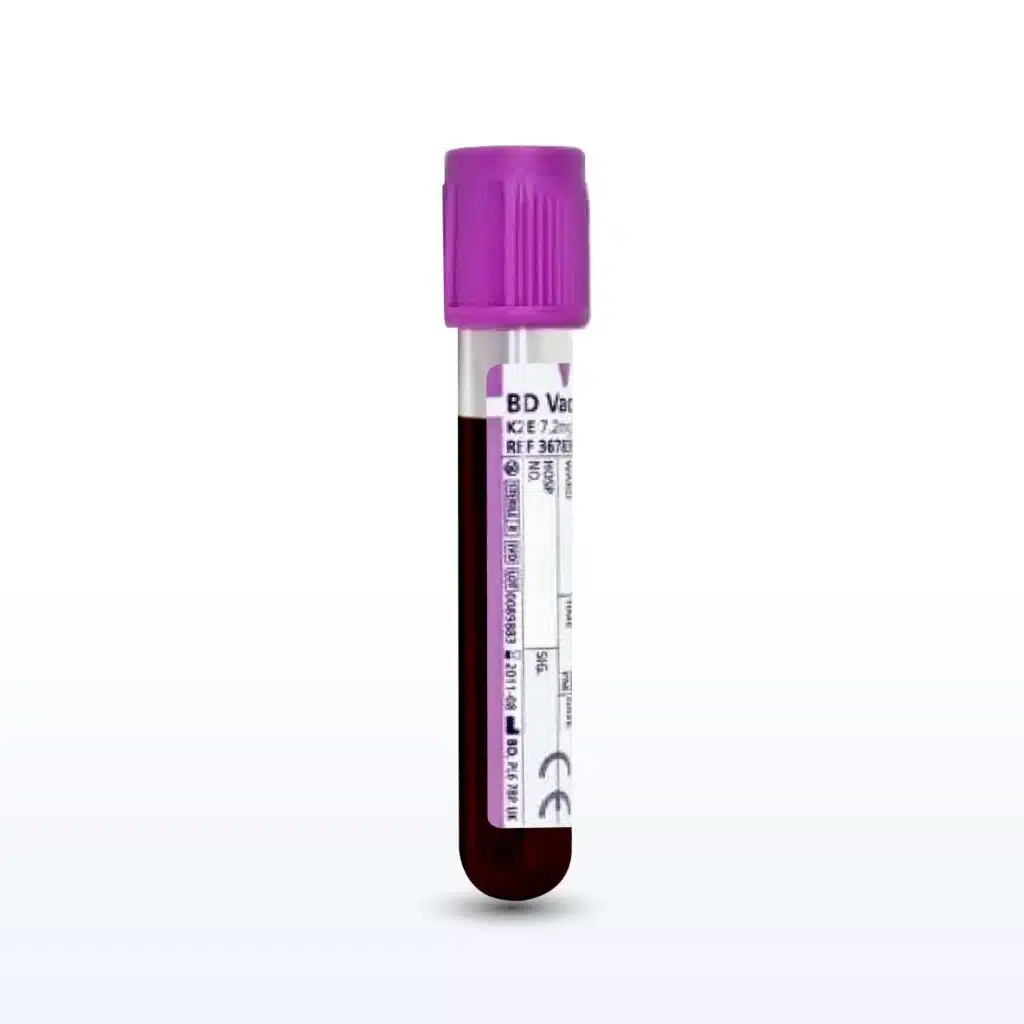
APECED Whole Blood
Fresh APECED Whole Blood — IRB-consented whole blood from donors with autoimmune polyendocrinopathy-candidiasis-ectodermal dystrophy, a monogenic AIRE disorder. One draw supports AIRE genotyping, anti-IL-17/IL-22 and anti-interferon-omega autoantibody work, and immune cell phenotyping.
APECED Whole Blood for Monogenic Immune Disorder and AIRE Research
Fresh APECED Whole Blood is collected from IRB-consented donors with clinically confirmed autoimmune polyendocrinopathy-candidiasis-ectodermal dystrophy (APECED). Collected and shipped same-day in custom tubes and anticoagulants, these samples support genotyping, immune cell function work, and autoantibody analysis from a single draw.
Why Whole Blood for APECED Research
APECED, also called autoimmune polyendocrine syndrome type 1, is a monogenic disorder caused by biallelic loss-of-function variants in the AIRE gene. AIRE drives expression of tissue-restricted self antigens in the thymic medulla, so its loss breaks central tolerance and permits escape of self-reactive T cells. The resulting multi-organ autoimmunity is the downstream consequence of a defined genetic defect, and whole blood is the one specimen that carries genotype, cellular phenotype, and serology together.
- Genotype from the same draw — leukocyte genomic DNA supports AIRE sequencing and variant characterisation without a separate collection
- A defined clinical triad — chronic mucocutaneous candidiasis, hypoparathyroidism, and primary adrenal insufficiency define the classical presentation, with additional endocrine and non-endocrine components accruing over time
- Neutralising anti-cytokine autoantibodies — autoantibodies against IL-17A, IL-17F, and IL-22 are a hallmark of APECED and provide the mechanistic explanation for the susceptibility to mucocutaneous candidiasis, linking a monogenic defect to a specific infectious phenotype
- Anti-interferon-omega autoantibodies — near-universal in APECED and highly characteristic of the condition, making the disease an informative natural model of anti-cytokine autoimmunity
- Organ-specific autoantibodies — reactivities associated with the individual endocrine components, including anti-21-hydroxylase in adrenal insufficiency, can be profiled alongside the anti-cytokine repertoire
- Intact cellular compartments — whole blood preserves granulocytes and absolute leukocyte counts that PBMC isolation removes, which matters for a disease defined in part by impaired antifungal immunity
Donor Stratification Available
- Genotype status — genetically confirmed AIRE variant versus clinically diagnosed, where documented
- Component disease profile — presence of hypoparathyroidism, adrenal insufficiency, candidiasis, and additional endocrine or ectodermal features
- Anti-cytokine autoantibody status — anti-IL-17, anti-IL-22, and anti-interferon-omega reactivity where measured
- Organ-specific autoantibody profile — where tested and available
- Age at onset and disease duration — component onset sequence where recorded
- Treatment status — hormone replacement, antifungal therapy, or immunomodulatory treatment
- Matched healthy controls available — demographically matched healthy donor whole blood
Product Features
- Fresh APECED whole blood from clinically diagnosed APECED donors
- Custom tubes and anticoagulants available
- Collected and shipped same-day for maximum freshness
- Standard and custom volumes
- Research Use Only (RUO)
De-identified Donor Data
- Confirmed autoimmune polyendocrinopathy-candidiasis-ectodermal dystrophy (APECED) diagnosis by physician or specialist
- Demographic details: age, sex assigned at birth, ethnicity
- Medical history including allergies and infectious disease status
- Component disease profile, genotype, and autoantibody status available on request
Applications
- AIRE variant detection, genotyping, and genotype–phenotype correlation
- Anti-cytokine autoantibody detection and functional neutralisation assays
- Central tolerance and thymic selection mechanism research
- Immunophenotyping of T, B, and innate cell populations
- Antifungal immunity and IL-17 pathway research
- Gene expression and transcriptomic analysis
- Inflammatory marker and cytokine profiling
- Drug response and mechanism-of-action studies
Other APECED Specimen Types
Matched material from the same APECED donor pool is available as APECED serum, plasma, and PBMC. Related endocrine autoimmunity cohorts include type 1 diabetes whole blood and Graves’ disease whole blood.
Compliance and Quality Assurance
- IRB-approved protocols and electronic informed consent
- HIPAA-compliant data management
- Fast shipping with real-time tracking
Ordering & Customization
APECED whole blood is available in a range of standard and custom volumes. For pricing, international orders, or documentation requirements, please email learnmore@sanguinebio.com to ensure compatibility with your country’s regulations. To browse the full specimen range and healthy-donor controls, see our human whole blood collection.
Whole Blood
Frequently Asked Questions
1 Answer
YES – All collections are conducted under IRB-approved protocols and electronic informed consent. Sanguine utilizes Advarra and WCG IRB for oversight.
1 Answer
YES – all our products are research use only (RUO).
1 Answer
You can find our full product catalog here.
1 Answer
Storage depends on sample type but often cryopreserved samples stored in liquid nitrogen can be stored for years.
1 Answer
Extensive customization is available. To discuss your project request a quote or email us at learnmore@sanguinebio.com.
1 Answer
Sanguine offers flexible prospective collection services tailored to fit your research. For more information and to request a quote, please see: our prospective biospecimen collection services page.
1 Answer
Timelines depend on condition, sample type, and I/E criteria but we often start collection within 2 weeks of signed agreement.
1 Answer
YES – we have in-stock inventory. You can also email us at learnmore@sanguinebio.com as we continually get new samples in our inventory.
1 Answer
Each sample from a different individual – Unique donor means each sample comes from a different person, ensuring biological diversity in your study.
1 Answer
YES – Unique donors can be specified and guaranteed based on your requirements.
1 Answer
For information about sample quality, please see: Quality and Compliance
1 Answer
YES – “IRB-approved collection protocols” and IRB approval documentation available upon request. Sanguine utilizes two internationally-recognized IRBs (Advarra and WCG IRB) for review and approval.
Ask a Question
Need a custom Whole Blood cohort?
Our scientific team can scope prospective collections with donor-specific I/E criteria, typically starting within 2 weeks of agreement.