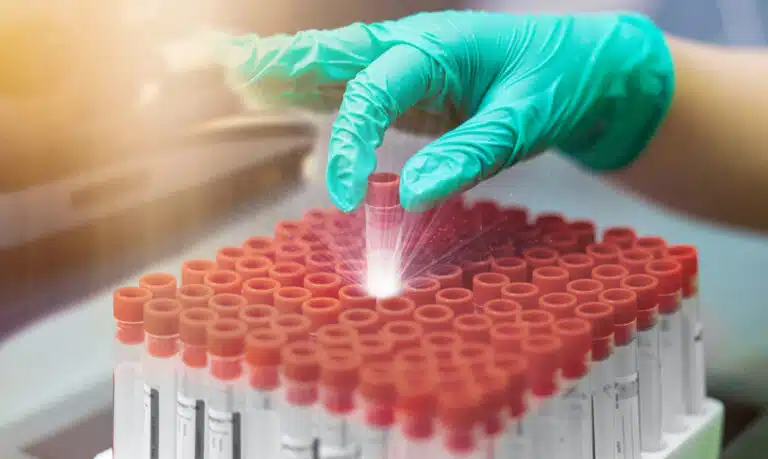
Precision Matters: How Sanguine’s PBMC Protocols Ensure Reliable Results

The Necessity of Robust PBMC Protocols for Your Research
Peripheral Blood Mononuclear Cells (PBMCs) are a cornerstone of immunology, cell therapy, and biomarker research. From flow cytometry and single-cell sequencing to T-cell activation studies, PBMCs offer unmatched insight into immune function and disease mechanisms. But the quality of those results depends on the integrity and consistency of every step — from collection to cryopreservation. For an introduction to PBMC biology, see What Are PBMCs? A Guide to Human Peripheral Blood Mononuclear Cells.
At Sanguine, we’ve developed and standardized a series of PBMC protocols that ensure reproducibility, high viability, and confidence in your downstream assays.
From Collection to Cryopreservation: A Seamless Workflow
Every Sanguine PBMC sample begins with IRB-approved donor consent and collection under controlled preanalytical conditions. Each protocol is optimized for donor safety and sample quality:
1. Blood Collection and Handling
- Whole blood is collected in CPT™ or EDTA tubes using validated procedures.
- Samples are transported at controlled ambient temperatures to maintain physiological integrity.
- All collections are processed within strict time windows to minimize variability in cell recovery and phenotype.
2. PBMC Protocol — Isolation
- Isolation is performed via density gradient centrifugation (Ficoll-Paque™) or CPT tube centrifugation, depending on study requirements.
- Processing occurs in temperature-controlled environments to prevent unwanted activation or apoptosis.
- Post-isolation, PBMCs are counted, viability-checked (>90%), and washed to remove platelets and debris.
3. PBMC Protocol — Cryopreservation
- Cryoprotectant solutions (typically 10% DMSO with heat-inactivated FBS or CryoStor® CS10) are added using a controlled-rate freezing protocol.
- Samples are cooled at 1°C per minute before transfer to vapor-phase liquid nitrogen.
See viability data in our PBMC protocol for thawing.
Customization for Research Needs
Not all studies are the same — and neither are PBMC requirements. That’s why Sanguine offers custom protocol adjustments based on project needs:
- Alternate anticoagulants (e.g., sodium heparin, citrate)
- Custom isolation methods for rare or disease-specific cell populations
Matched plasma, serum, or whole blood aliquots can also be provided from the same donor, enabling integrative analyses across immune and molecular readouts.
Disease-State and Healthy Donors
Our PBMCs are available from both healthy volunteers and donors with specific conditions such as:
- Autoimmune diseases (e.g., SLE, Type 1 Diabetes, Crohn’s Disease)
- Infectious diseases (e.g., HIV, COVID-19, Hepatitis B)
- Neurological and inflammatory conditions (e.g., Parkinson’s, MS, Psoriasis)
Matched plasma, serum, and other biospecimen types are available for most conditions, making it easier to conduct multi-omic or longitudinal studies.
Ready to Elevate Your Research?
Whether you need cryopreserved PBMCs for high-throughput screening or fresh leukopaks for immediate isolation, Sanguine’s standardized protocols ensure you receive samples that meet your quality expectations — every time.