CD56+ NK Cells for Research: Biology and Applications in Immunotherapy
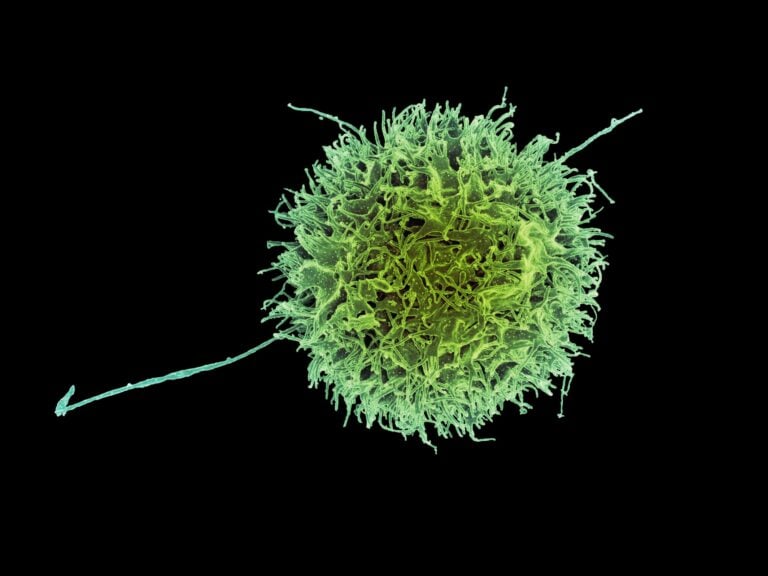
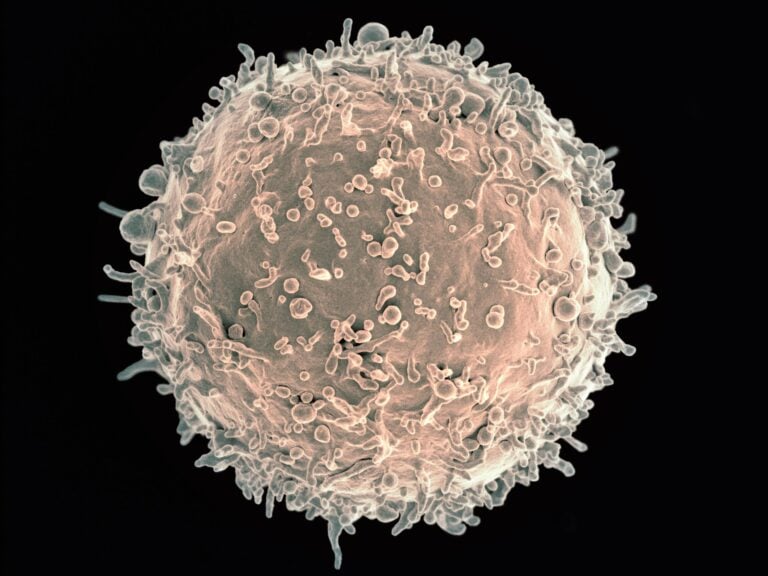
Natural killer cells occupy a distinctive niche in the immune system: cytotoxic like CD8+ T cells, but requiring no prior antigen exposure to kill. That property — immediate, antigen-independent cytotoxicity — is exactly why NK cells have become one of the most actively pursued platforms in cell-based immunotherapy.
What Are CD56+ NK Cells?
Human NK cells are innate lymphocytes identified by expression of CD56 (neural cell adhesion molecule) in the absence of CD3 — the marker combination CD56+CD3− distinguishes NK cells from NKT cells, which co-express both. NK cells make up roughly 5–15% of circulating peripheral blood mononuclear cells and are capable of killing virally infected and malignant cells directly, without requiring the antigen-specific priming that T cells need.
NK Cell Subsets
Human NK cells split into two functionally distinct subsets based on CD56 and CD16 expression:
- CD56bright CD16dim/− (~10%): Primarily cytokine-producing, secreting IFN-γ and other immunoregulatory cytokines upon activation. Less cytotoxic than the CD56dim subset.
- CD56dim CD16bright (~90%): The primary cytotoxic subset, mediating both direct target-cell killing and antibody-dependent cellular cytotoxicity (ADCC) through CD16’s role as an Fc receptor.
This functional split matters for experimental design — an assay measuring cytotoxicity and one measuring cytokine output are, to a meaningful degree, probing different NK cell subpopulations.
NK Cells in Immunotherapy
NK cells have become a major cell therapy platform, particularly as an alternative to T-cell-based approaches:
- CAR-NK cell therapy: NK cells engineered with chimeric antigen receptors offer a potential safety advantage over CAR-T — they don’t require HLA matching and carry lower risk of cytokine release syndrome and graft-versus-host disease, making them attractive candidates for off-the-shelf, allogeneic cell products.
- ADCC-based combination therapy: Because CD16 mediates antibody-dependent cytotoxicity, NK cells are the primary effector population for antibody therapeutics designed to trigger ADCC — a mechanism actively exploited in oncology drug development.
- Checkpoint and NK-activating combination approaches: NK cell activity is regulated by an array of activating and inhibitory receptors distinct from T cell checkpoints, creating a separate axis for combination immunotherapy strategies.
- Off-the-shelf allogeneic products: NK cells’ reduced alloreactivity compared to T cells makes them a leading candidate for allogeneic, donor-independent cell therapy manufacturing.
Common Research Applications
- Cytotoxicity assays: NK cell killing of target lines such as K562 is a standard readout for functional NK cell assessment.
- ADCC assays: Measuring antibody-dependent killing to evaluate therapeutic antibody candidates.
- CAR-NK development: NK cells as the engineering substrate for chimeric antigen receptor cell therapies.
- NK exhaustion studies: Characterizing how chronic activation or the tumor microenvironment impairs NK cell function.
- Innate antiviral immunity: Studying NK cell responses to viral infection independent of adaptive immune priming.
Sourcing Considerations
NK cells are notably sensitive to freeze-thaw stress, and post-thaw functional recovery — not just viability — should be confirmed before committing cells to a critical assay. Purity matters too: CD56+ selection alone will co-isolate NKT cells (CD56+CD3+) unless a CD3-depletion step is included, which can confound results in assays sensitive to T cell contamination. For applications requiring large numbers of NK cells — CAR-NK development in particular — sourcing from a leukopak rather than a standard blood draw is usually necessary to reach workable cell numbers.
Frequently Asked Questions
What does CD56 positive mean?
CD56 (neural cell adhesion molecule) is the primary surface marker used to identify NK cells. CD56+CD3− defines NK cells specifically, distinguishing them from CD56+CD3+ NKT cells.
Why are NK cells used instead of T cells in cell therapy?
NK cells don’t require HLA matching to avoid rejection and generally carry lower risk of graft-versus-host disease and cytokine release syndrome than T cells, making them better suited to allogeneic, off-the-shelf cell therapy manufacturing.
What’s the difference between CD56bright and CD56dim NK cells?
CD56bright NK cells are primarily cytokine-producing and less cytotoxic. CD56dim NK cells, which make up roughly 90% of the NK cell population, are the primary cytotoxic and ADCC-mediating subset.
Explore Sanguine’s human CD56+ NK cells, isolated from healthy and disease-state donors for cytotoxicity, ADCC, and CAR-NK research.