What Is Human AB Serum?
Cell culture, immunoassay, and cell therapy protocols increasingly call for human-derived serum instead of animal serum — and human AB serum sits at the center of that shift. Because it comes from donors with type AB blood, it lacks the antibodies that complicate other serum types, making it a preferred additive across a range of research and manufacturing workflows.
What Is Human AB Serum?
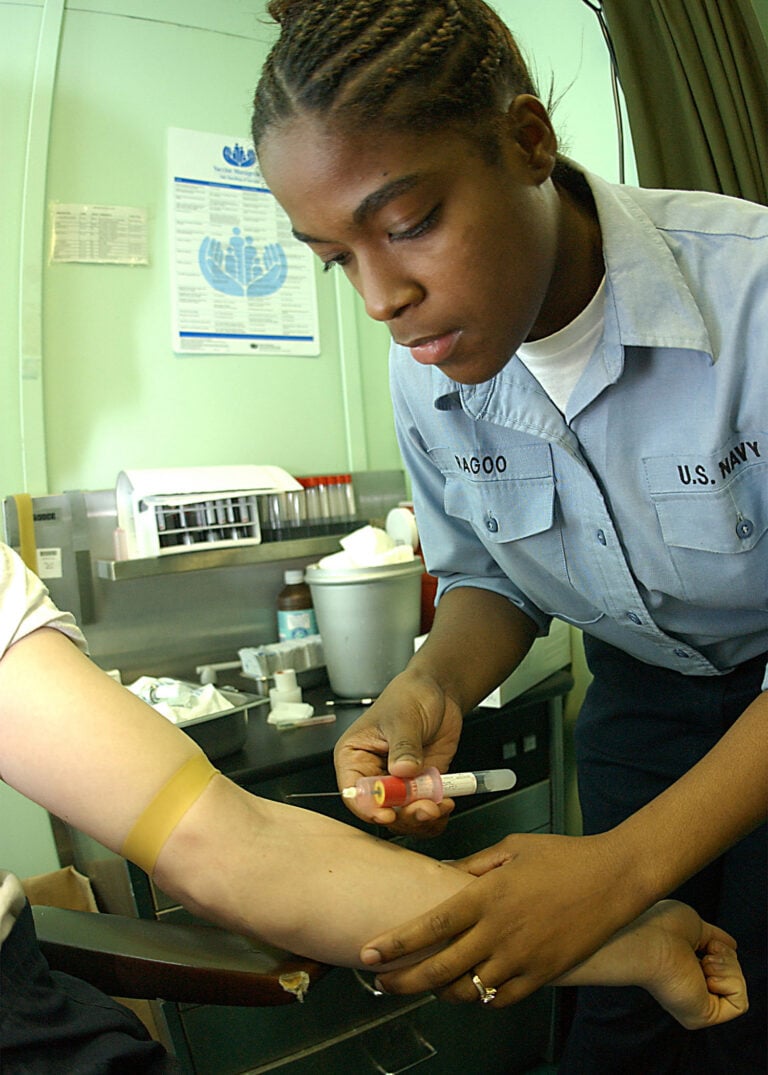
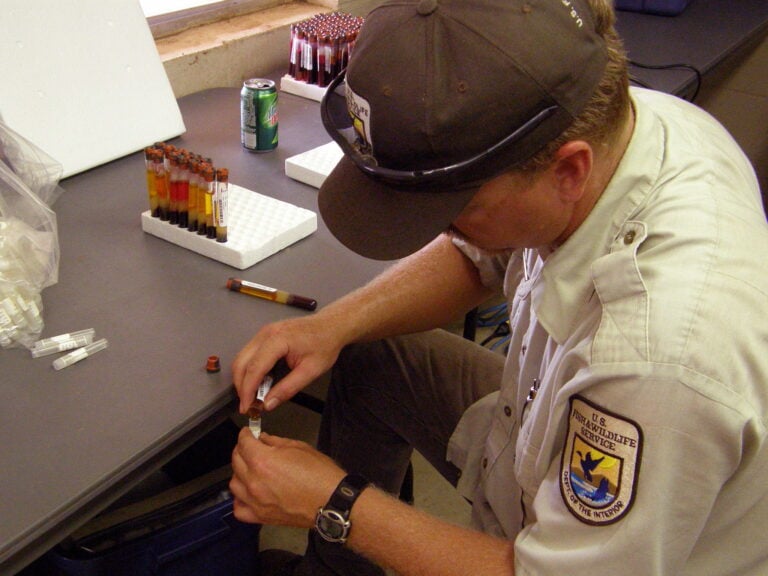
Human AB serum is the cell-free liquid fraction of blood collected from donors with blood type AB. Like any serum, it is separated from whole blood after clotting, leaving behind a fluid rich in proteins, growth factors, hormones, and other soluble components — but without red blood cells, platelets, or clotting factors.
What sets AB serum apart is the donor’s blood type. People with type AB blood carry both A and B antigens on their red blood cells, so their immune systems do not produce anti-A or anti-B antibodies (isoagglutinins). That absence is the entire reason AB serum is useful: it can be added to cultures or assays involving cells of any ABO blood type without triggering an antibody-mediated reaction.
Human AB Serum vs. Standard Human Serum
Serum pooled from donors of all blood types will contain a mix of anti-A and/or anti-B antibodies, depending on each donor’s type. In applications where those antibodies could bind to antigens on cultured cells, platelets, or assay reagents, they introduce a variable that is difficult to control for. AB serum removes that variable entirely, which is why many labs specify it — rather than general human serum — for applications involving mixed-donor cell populations, platelet products, or immunologically sensitive assays.
Human AB Serum vs. FBS (Fetal Bovine Serum)
Fetal bovine serum (FBS) has long been the default serum supplement for mammalian cell culture, but it comes with drawbacks that human AB serum avoids:
- Species mismatch: FBS is derived from bovine fetuses, introducing xenogeneic proteins into cultures of human cells. This can affect cell behavior and complicates downstream clinical translation.
- Regulatory friction: Cell therapy manufacturing — CAR-T, TIL, MSC expansion, and similar clinical-grade processes — increasingly favors xeno-free conditions that human AB serum supports and FBS cannot.
- Supply variability: FBS supply and lot-to-lot quality have historically been subject to global fluctuations. Human-sourced serum offers an alternative supply chain.
- Physiological relevance: A human-origin supplement is more physiologically relevant for culturing human cells than an animal-derived one, independent of the ABO-antibody question.
That said, FBS remains cheaper and is still standard for many basic-research applications where xeno-free conditions and ABO compatibility are not concerns. The right choice depends on the downstream application.
What Is Heat-Inactivated AB Serum?
Heat inactivation is a standard serum-processing step used with AB serum, standard human serum, and FBS alike. The serum is heated — typically to 56°C for about 30 minutes — to denature and inactivate complement proteins.
Complement proteins, if left active, can lyse target cells or interfere with assay readouts in complement-sensitive systems, such as certain cytotoxicity assays or cultures of complement-sensitive cell types. Heat inactivation neutralizes that risk while leaving most other serum components — growth factors, hormones, and nutrients — largely intact. Researchers ordering AB serum for cell culture or functional assays should confirm whether their protocol calls for heat-inactivated or non-heat-inactivated product, since the two are not interchangeable for complement-dependent applications.
Common Research Applications for Human AB Serum
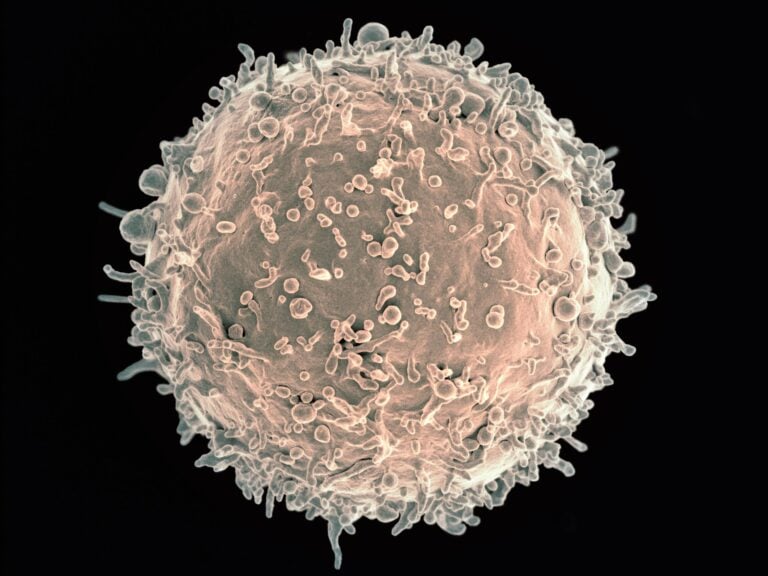
- T cell expansion and activation: AB serum is a standard supplement in T cell culture media for immunology research and cell therapy manufacturing, including CAR-T and TIL expansion protocols, where xeno-free, ABO-neutral conditions are preferred.
- Stem cell and MSC culture: Mesenchymal stromal cell expansion protocols often substitute AB serum for FBS to support xeno-free, clinically translatable culture conditions.
- Immunoassay diluents and blocking reagents: Because it lacks anti-A/anti-B antibodies, AB serum is used as a blocking agent or diluent in immunoassays where isoagglutinins could otherwise cause background signal or cross-reactivity.
- Platelet and cell product manufacturing: AB serum’s antibody-neutral profile makes it suitable for applications involving platelet-rich preparations or mixed-donor cell products.
- General mammalian cell culture: Beyond immune cells, AB serum can supplement a range of human and mammalian cell culture systems where a human-origin, xeno-free serum is preferred over FBS.
Sourcing Human AB Serum for Research
Because donor-level detail matters for reproducibility, researchers should look for suppliers who confirm each donor’s ABO type through validated blood typing rather than self-report, document processing and heat-inactivation status, and screen donors for infectious disease. At Sanguine, human serum is collected from IRB-consented donors under IRB-approved, HIPAA-compliant protocols, with de-identified donor data available to support study design.
Frequently Asked Questions
Why is AB serum preferred over other blood types for cell culture?
Donors with type AB blood do not produce anti-A or anti-B antibodies, since their red blood cells already carry both antigens. Serum from AB donors can therefore be added to cultures or assays involving cells of any ABO type without the risk of antibody-mediated reactions that serum from A, B, or O donors could introduce.
Is heat-inactivated AB serum the same as regular AB serum?
No. Heat-inactivated AB serum has been heated (typically 56°C for 30 minutes) to destroy complement activity, while non-heat-inactivated AB serum retains active complement proteins. The two are used for different purposes depending on whether a protocol is sensitive to complement activity.
Can human AB serum fully replace FBS in cell culture?
In many applications — particularly T cell and stem cell culture for clinical or translational research — human AB serum is a suitable and often preferred xeno-free replacement for FBS. For some basic-research applications, FBS remains standard due to cost and established protocols. The right choice depends on the specific cell type and downstream use of the cultured cells.
How is human AB serum different from human plasma?
Serum and plasma are both cell-free blood fractions, but plasma is collected with anticoagulants and still contains clotting factors like fibrinogen, while serum is collected after the blood is allowed to clot, removing those clotting factors. AB serum refers specifically to serum — not plasma — from an AB-type donor.
Explore Sanguine’s human serum products, including AB serum, for cell culture, immunoassay, and translational research applications.