Human Whole Blood for Research: A Guide
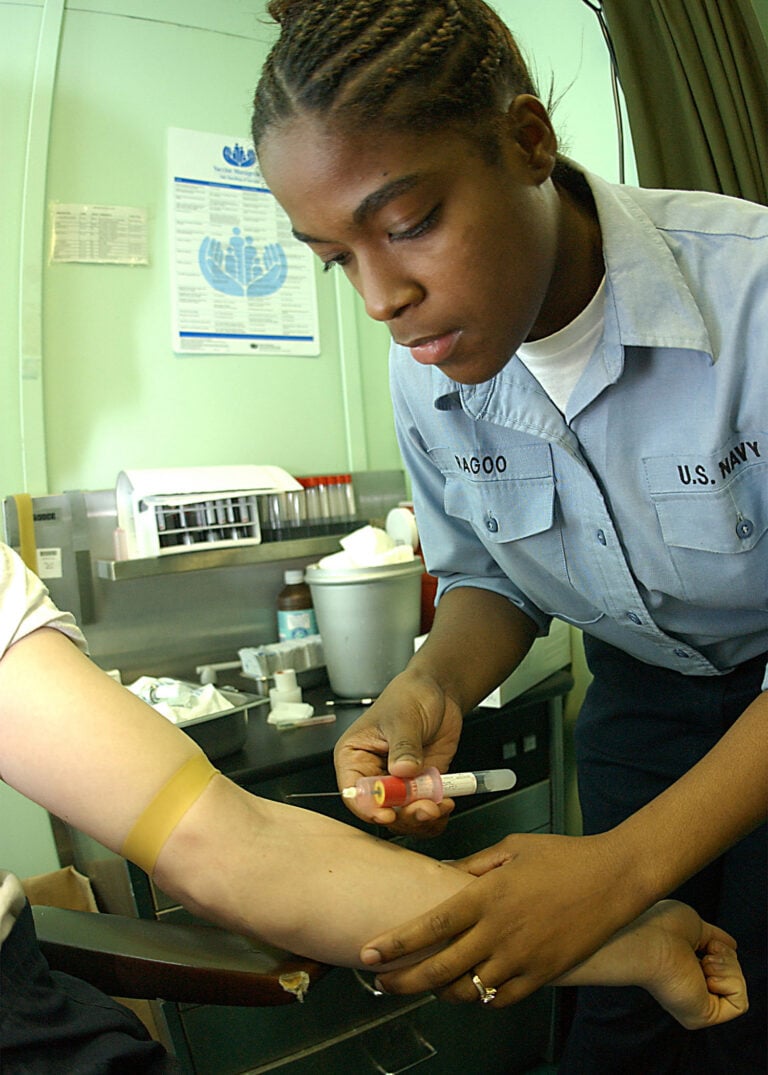
Most blood-based research relies on a processed fraction — plasma, serum, or isolated PBMCs. But a meaningful share of research questions require the sample in its native, unprocessed state: human whole blood. Understanding when whole blood is the right choice, and how to handle it correctly, matters for getting a usable result.
What Is Human Whole Blood?
Whole blood is exactly what it sounds like: blood drawn from a donor and collected into an anticoagulant-containing tube with no further processing. It contains every cellular and soluble component present in circulation — red blood cells, white blood cells (including granulocytes), platelets, plasma proteins, clotting factors, cytokines, and metabolites — all together, in their native physiological proportions.
That completeness is whole blood’s defining property. Every other common blood-derived research material — PBMCs, plasma, serum — is whole blood with something removed.
Whole Blood vs. PBMCs, Plasma, and Serum
The right sample format depends entirely on what your assay needs to capture:
- Whole blood retains granulocytes (neutrophils, eosinophils, basophils), platelets, and the full complement of plasma factors — components that are deliberately removed from every other format.
- PBMCs isolate the mononuclear cell fraction (T cells, B cells, NK cells, monocytes) via density gradient centrifugation, excluding granulocytes and red cells entirely.
- Plasma and serum remove all cells, leaving only the soluble fraction — plasma retains clotting factors, serum does not.
If your assay depends on granulocyte function, platelet-leukocyte interactions, or a fully physiological readout, whole blood is the only format that preserves it. If it doesn’t, a more processed format is usually easier to work with and store.
Anticoagulant Selection Matters
Whole blood is always collected with an anticoagulant, and the choice affects what downstream applications are viable:
- EDTA chelates calcium, halting the coagulation cascade completely. It’s the standard choice for hematology (CBC), flow cytometry, and molecular applications like PCR and sequencing, but the calcium chelation makes it unsuitable for functional or coagulation assays.
- Heparin inhibits thrombin without chelating calcium, preserving calcium-dependent cellular functions. It’s preferred for functional immune assays and cell culture applications where EDTA’s calcium removal would interfere.
- Sodium citrate also chelates calcium, reversibly, and is the standard anticoagulant for coagulation studies (PT/PTT) because calcium can be added back at a controlled point to reinitiate clotting for the assay.
Specifying the wrong anticoagulant for your downstream assay is one of the most common — and most avoidable — sources of failed experiments in whole blood work.
Common Research Applications
- Immunophenotyping by flow cytometry: Whole blood lyse-no-wash staining protocols preserve native cell proportions, including granulocytes, for a complete leukocyte differential.
- Whole blood stimulation assays: Ex vivo stimulation (e.g., LPS, PHA) in whole blood captures cytokine responses shaped by the full complement of plasma factors and cell types — a more physiologically complete readout than isolated PBMCs alone.
- Transcriptomic and genomic analysis: RNA and DNA extracted directly from whole blood support gene expression and genotyping studies without an isolation step.
- Platelet and granulocyte function studies: Any assay involving platelet-leukocyte aggregates, neutrophil function, or thromboinflammation requires whole blood — these components don’t survive PBMC isolation.
- Reference hematology and biomarker studies: Complete blood counts and many clinical-chemistry-adjacent biomarker panels are validated specifically against whole blood.
Collection and Handling Considerations
Whole blood’s biggest practical constraint: it cannot be cryopreserved. Freezing destroys red blood cells and alters immune cell function, so whole blood must be used within hours of collection — typically same-day, occasionally next-day with careful temperature control. This makes it impractical for banking, longitudinal studies, or multi-site trials where a standardized, storable lot is preferred; those applications are usually better served by cryopreserved PBMCs.
Because it can’t be banked, whole blood research depends on tight coordination between collection and use — same-day shipping, defined temperature ranges in transit, and a processing window measured in hours, not days.
Frequently Asked Questions
What’s the difference between whole blood and PBMCs?
Whole blood contains every blood component in native proportions, including granulocytes, platelets, red cells, and plasma. PBMCs are the mononuclear cell fraction isolated from whole blood by density gradient centrifugation — granulocytes and red cells are removed in the process.
Can whole blood be frozen for later use?
No. Freezing whole blood destroys red blood cells and disrupts immune cell function. It must be used fresh, typically within hours of collection.
Which anticoagulant should I choose?
EDTA for hematology, flow cytometry, and molecular work; heparin for functional immune assays sensitive to calcium chelation; sodium citrate for coagulation studies. The right choice depends entirely on your downstream assay.
Why would I use whole blood instead of PBMCs?
Whole blood is the only format that preserves granulocytes, platelets, and the complete plasma matrix — required for granulocyte function assays, platelet-leukocyte interaction studies, and any assay where a fully physiological readout matters more than isolated-cell convenience.
Explore Sanguine’s human whole blood — collected fresh from screened donors with same-day processing and your choice of anticoagulant.