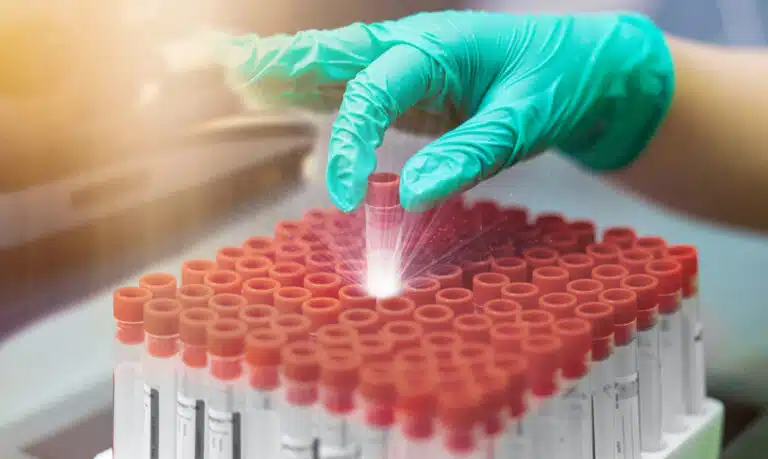
Diabetes and Metabolic Syndrome Research: Blood Biospecimen Solutions
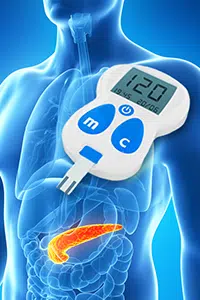
Featured Image Credit: https://www.niddk.nih.gov/health-information – Diabetes research (Public Domain – NIH NIDDK)
The Research Burden of Diabetes and Metabolic Syndrome
Diabetes and metabolic syndrome are linked epidemics. Together, they drive cardiovascular disease, chronic kidney disease, neuropathy, retinopathy, and early death across the United States. Type 1 diabetes is mainly autoimmune: the immune system destroys beta cells, causing an absolute lack of insulin. Type 2 diabetes is different. It involves insulin resistance, worsening beta cell function, and a complex interplay between fat tissue biology, inflammation, and metabolic signaling.
Metabolic syndrome is typically defined by central obesity, high blood lipids, high blood pressure, and impaired glucose regulation. It describes a high-risk profile that can progress from insulin resistance to full diabetes and complications across multiple organs. Translational progress depends on high-quality blood biospecimens that support consistent measurement of metabolic biomarkers, immune signals, and genetics across well-characterized cohorts.
Human Plasma, Human Serum, Human PBMCs, and Human Whole Blood together give researchers a multi-modal biospecimen toolkit. This toolkit supports the study of endocrine function, inflammatory pathways, immune phenotypes, and systemic complications with high analytical precision.
Type 1 Diabetes: Autoimmunity, Immune Profiling, and Beta Cell Destruction
Type 1 diabetes (T1D) is a textbook autoimmune disease, where autoreactive T cells and other immune mechanisms target the pancreatic islets. Preclinical autoimmunity often starts years before symptoms appear. That gap opens a window for prediction and prevention studies. Risk stratification usually combines genetic susceptibility, autoantibody profiles, and immune signatures that shift as the disease progresses.
Cellular immunology workflows commonly use Human PBMCs for immunophenotyping, antigen-specific T cell assays, and transcriptomic profiling of immune activation states. These analyses let researchers dig into why immune tolerance fails, how effector responses build, and which regulatory networks determine beta cell loss.
Human Plasma and Human Serum support parallel measurement of autoantibodies and inflammatory mediators alongside PBMC-derived cellular readouts. Combining humoral and cellular data gives a fuller picture of T1D’s natural history and helps inform precision prevention strategies.
Type 2 Diabetes and Insulin Resistance: Metabolic Signaling and Inflammation
Type 2 diabetes (T2D) is a varied disorder where insulin resistance and beta cell dysfunction develop together. Early disease may be dominated by the body’s attempt to compensate with extra insulin. Later stages reflect beta cell failure and impaired insulin secretion. Fat tissue inflammation, lipid buildup in the wrong places, and stress inside cells all add to systemic metabolic dysfunction.
Metabolic biomarker profiling often relies on plasma measurements of glucose, insulin, and C-peptide, together with broader endocrine and inflammatory markers. Serum supports lipid panel evaluation and cytokine measurements relevant to cardiometabolic risk. Across cohorts, standardized handling before analysis is essential — without it, artifacts can hide the true biological signal.
Researchers increasingly see immune and inflammatory mechanisms in insulin resistance as therapeutic targets. PBMC-based profiling lets them quantify monocyte activation states, T cell phenotypes, innate immune training markers, and transcriptional programs tied to metabolic inflammation. These analyses help connect systemic immune signals to tissue-level metabolic dysfunction and treatment response.
Prediabetes, Metabolic Syndrome, and Longitudinal Risk Modeling
Prediabetes and metabolic syndrome sit in a critical translational space, where prevention strategies can meaningfully change a patient’s clinical path. Longitudinal biospecimen collections let researchers model the progression from insulin resistance to impaired glucose tolerance and eventually diabetes. Intermediate signs include compensatory high insulin levels, abnormal lipids, and rising inflammation.
Multi-timepoint sampling supports endpoints focused on kinetics, such as changes in insulin sensitivity, lipid remodeling, inflammatory mediator trends, and shifts in immune phenotype. Human Whole Blood can support genetic analyses and RNA-based profiling, helping researchers find transcriptional states linked to risk, resilience, or how well a patient responds to therapy.
Longitudinal cohort design also supports evaluating lifestyle interventions, drug-based prevention, and treatment intensification strategies. In these contexts, harmonized clinical phenotyping and consistent biospecimen processing matter a great deal, since they prevent confounding caused by inconsistent collection.
Blood Biospecimens for Diabetes Biomarkers and Mechanistic Endpoints
Diabetes and metabolic syndrome studies often need an integrated look at glycemic metrics, endocrine signals, lipid biology, and inflammation. Plasma and serum support biochemical endpoints. Cellular and nucleic acid analytes let researchers link immune pathways to metabolic phenotypes.
Human Plasma supports measurements relevant to glycemic regulation and endocrine physiology, while Human Serum enables the lipid profiling and inflammatory marker analyses often used in cardiometabolic risk modeling. Human PBMCs add cellular context for interpreting systemic inflammation, immune dysregulation, and therapy-related immune changes, especially in autoimmune and inflammation-focused studies.
For genomics, epigenetics, and RNA applications, researchers often use Human Whole Blood for DNA extraction and transcriptomic analyses, depending on tube type and stabilization workflow. Thorough genomic annotation makes results easier to interpret by supporting stratified analyses by baseline metabolic status, medication exposure, disease stage, and comorbidity burden.
Complications Research: Cardiovascular, Kidney, and Neuropathy Endpoints
Diabetes complications are central endpoints for translational and clinical development programs. Cardiovascular disease remains a leading cause of illness and death, while diabetic kidney disease, neuropathy, and retinopathy drive long-term disability and healthcare costs. Mechanistic studies often focus on blood vessel dysfunction, chronic inflammation, lipid toxicity, and immune-mediated tissue injury.
Blood biospecimens let researchers quantify biomarkers linked to atherosclerotic risk, kidney injury, and systemic inflammation. Longitudinal profiling can clarify whether specific immune phenotypes, cytokine trends, or metabolic signatures predict complications independent of glycemic control alone.
Well-annotated biospecimens support analysis across diverse patient populations, including those with overlapping hypertension, dyslipidemia, obesity, and chronic kidney disease. This kind of stratification is essential for developing targeted treatments and understanding how well they work across a realistically diverse patient base.
Essential Clinical Parameters for Diabetes Biospecimen Selection
- Diabetes phenotype classification (Type 1, Type 2, prediabetes, gestational history when relevant)
- Glycemic control metrics (fasting glucose, HbA1c values with collection timing context)
- Medication exposure (insulin, metformin, GLP-1 receptor agonists, SGLT2 inhibitors, steroids)
- Body composition measures (BMI, waist circumference, weight trajectory over time)
- Comorbidities (hypertension, dyslipidemia, chronic kidney disease, cardiovascular disease)
- Complication status (albuminuria, eGFR, neuropathy, retinopathy, cardiovascular events)
- Inflammatory and immune phenotype context where available (autoantibodies, immune profiling goals)
- Longitudinal sampling feasibility to study natural history and treatment response
Quality Factors for Metabolic Research Blood Samples
- Standardized fasting status and time-of-day collection documentation
- Consistent processing windows to reduce pre-analytical variability
- Plasma separation protocols aligned to intended analytes and stability requirements
- Serum clotting and centrifugation conditions standardized across cohorts
- PBMC isolation timing and post-thaw viability targets defined for functional assays
- Whole blood tube selection aligned to DNA/RNA goals (including stabilization when needed)
- Aliquoting strategies that minimize freeze–thaw cycles and preserve analyte integrity
- Documented storage conditions and chain-of-custody supporting reproducibility
Sanguine Bio: Supporting Diabetes and Metabolic Syndrome Research
Sanguine Bio supports diabetes and metabolic syndrome research across the United States through a direct-to-donor model and an expanded donor network. This gives researchers access to diverse cohorts spanning Type 1 diabetes, Type 2 diabetes, prediabetes, and metabolic syndrome phenotypes, stratified by disease stage, comorbidity burden, and treatment exposure.
Custom collection services support complex study protocols, including longitudinal sampling designs, fasting-state collections, medication timing documentation, and tailored processing requirements. From study design to receipt of samples, our support helps align biospecimen strategy with mechanistic discovery and translational endpoints.
We also provide access to hard-to-find populations. These include treatment-naïve cohorts early in disease, people with severe insulin resistance, subjects with progressive diabetic kidney disease, and longitudinal participants with well-defined complication trajectories. These cohorts support prevention studies, biomarker discovery, and therapeutic monitoring programs.
Respiratory & Metabolic Conditions Biospecimens gives you a central entry point to explore available metabolic research solutions and cohort options.
Check Our Inventory to explore diabetes and metabolic syndrome biospecimen solutions.
References
- American Diabetes Association. Standards of Medical Care in Diabetes. Diabetes Care. (Updated annually).
- Atkinson MA, Eisenbarth GS, Michels AW. Type 1 diabetes. Lancet. 2014;383(9911):69-82.
- DeFronzo RA. Pathogenesis of type 2 diabetes mellitus. Med Clin North Am. 2004;88(4):787-835.
- Kahn SE, Cooper ME, Del Prato S. Pathophysiology and treatment of type 2 diabetes: perspectives on the past, present, and future. Lancet. 2014;383(9922):1068-1083.
- Alberti KGMM, Eckel RH, Grundy SM, et al. Harmonizing the metabolic syndrome. Circulation. 2009;120(16):1640-1645.
- Hotamisligil GS. Inflammation and metabolic disorders. Nature. 2006;444(7121):860-867.
- Wellen KE, Hotamisligil GS. Obesity-induced inflammatory changes in adipose tissue. J Clin Invest. 2003;112(12):1785-1788.
- Tabák AG, Herder C, Rathmann W, Brunner EJ, Kivimäki M. Prediabetes: a high-risk state for diabetes development. Lancet. 2012;379(9833):2279-2290.
- Meigs JB. Epidemiology of type 2 diabetes and cardiovascular disease. Diabetes Care. 2002;25(8):1357-1364.
- Forbes JM, Cooper ME. Mechanisms of diabetic complications. Physiol Rev. 2013;93(1):137-188.
- Alicic RZ, Rooney MT, Tuttle KR. Diabetic kidney disease. Clin J Am Soc Nephrol. 2017;12(12):2032-2045.
- Haffner SM, et al. Mortality from coronary heart disease in subjects with type 2 diabetes. N Engl J Med. 1998;339(4):229-234.