
Obesity and Immunometabolism: Integrated Biospecimen Approaches
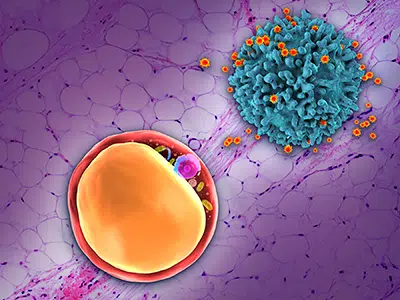
Featured Image Credit: https://www.niddk.nih.gov/ – Obesity and metabolism (Public Domain – NIH NIDDK)
Why Obesity and Immunometabolism Demand Integrated Biospecimen Strategies
Obesity isn’t just a problem of energy balance. It’s a body-wide inflammatory state that reshapes immune cell function, tissue signaling, and metabolic balance. Chronic, low-grade inflammation links excess body fat to insulin resistance, unhealthy cholesterol levels, blood vessel dysfunction, and the progression to heart and metabolic disease across the United States. Immunometabolism research aims to understand how immune pathways shape metabolic outcomes, and how metabolic signals reprogram immune cells.
This biology varies from person to person, and it changes as obesity progresses. It moves from early fat cell enlargement and immune cell recruitment, to advanced metabolic syndrome and organ-specific complications. Blood biospecimens offer a scalable, minimally invasive way to access immune profiles, soluble signaling molecules, and molecular signatures that track this progression. These signatures also help predict how well a patient will respond to treatment.
An integrated approach using Human PBMCs, Human Plasma, Human Serum, and Human Whole Blood supports multi-modal characterization of immune cell states, cytokine networks, and adipokine dynamics. It also captures gene expression and epigenetic changes. Paired with thorough genomic annotation, these biospecimens support reproducible biomarker discovery, mechanistic hypothesis testing, and translational endpoints relevant to drug development.
Adipose Tissue Inflammation and Immune Cell Infiltration
As fat tissue expands in obesity, fat cells become stressed, oxygen levels drop, and the surrounding tissue structure changes. These changes attract immune cells and drive local inflammatory signaling, often marked by “crown-like structures” — macrophages surrounding dying fat cells. Fat tissue itself is the main site of inflammation. But blood readouts reflect how much of that tissue inflammation is happening, and what form it’s taking.
Macrophage infiltration and the type of macrophage present are central features of obesity-related inflammation. In lean tissue, macrophages often show anti-inflammatory, tissue-repairing behavior. Obesity is linked to more inflammatory macrophages and higher production of cytokines like TNF-α, IL-6, and IL-1β. These cytokines interfere with insulin signaling and activate stress pathways, linking immune activation directly to metabolic dysfunction.
Systemic immune profiling using Human PBMCs can capture monocyte activation, T cell polarization, and innate immune “training” signatures that correlate with fat tissue inflammation. Measuring circulating inflammatory signals in Human Plasma at the same time supports quantifying cytokine changes over time. It also reveals adipokine imbalances that reflect how fat tissue is functioning as an endocrine organ.
Macrophage Polarization, Cytokine Networks, and Insulin Resistance
Obesity-related insulin resistance is often modeled as the result of inflammatory signaling across fat tissue, the liver, muscle, and blood vessels. Macrophage behavior is commonly described using an M1/M2 framework. In the body, though, macrophages actually exist on a spectrum shaped by local lipid signals, low oxygen, and cytokine cues. Inflammatory macrophage programs drive TNF-α, IL-6, and IL-1β production, while alternative activation programs can support tissue repair and resolving inflammation.
TNF-α is a classic example of a mediator linking inflammation and insulin resistance. It reduces insulin-driven glucose uptake and contributes to fat breakdown and abnormal fat deposits. IL-6 has effects that depend on context, but it’s often elevated in obesity and tied to metabolic risk. IL-1β, often triggered downstream of inflammasome activation, contributes to beta cell dysfunction and reduced insulin release. This links innate immune sensing directly to hormone failure.
These signals circulate and are shaped by multiple tissues. Human Serum and Human Plasma are commonly used to measure cytokines, acute-phase proteins, and metabolic signaling molecules. Combining these soluble markers with cellular profiles from PBMCs gives a mechanistic bridge between inflammatory signaling and impaired insulin action.
Inflammasome Activation and Metabolic Endotoxemia
Innate immune sensing pathways — especially inflammasome activation — increasingly appear to play a role in obesity-related metabolic disease. The NLRP3 inflammasome picks up on metabolic danger signals like saturated fatty acids, ceramides, mitochondrial dysfunction, and reactive oxygen species. This triggers caspase-1 activation and the maturation of IL-1β and IL-18. These outputs contribute to insulin resistance, fatty liver, and blood vessel inflammation across many model systems and human studies.
Metabolic endotoxemia describes low-level, ongoing exposure to bacterial lipopolysaccharide (LPS), often linked to gut barrier problems, diet, and changes in the gut microbiome. LPS activates TLR4 signaling and can amplify inflammatory networks that worsen insulin resistance. Measuring LPS-related signals, endotoxin-binding proteins, and downstream cytokine patterns in plasma can offer insight into how the gut, immune system, and metabolism interact. Together, these interactions shape heart and metabolic risk.
For mechanistic studies, Human Whole Blood supports gene expression and epigenetic analysis that captures innate immune reprogramming. Human PBMCs enable functional tests of cytokine production, inflammasome responsiveness, and monocyte priming. These readouts can be paired with cytokine levels tracked over time in plasma to map how innate immune activation changes during weight gain or treatment.
Circulating Biomarkers: Adipokines, Lipids, and Inflammatory Proteins
Fat tissue acts as a dynamic endocrine organ, releasing adipokines that regulate appetite, insulin sensitivity, and inflammation. Leptin is often elevated in obesity and can drive pro-inflammatory immune activation. Adiponectin is often reduced and is linked to better insulin sensitivity and anti-inflammatory signaling. Researchers have explored the leptin-to-adiponectin ratio as a combined marker of heart and metabolic risk.
Obesity also reshapes circulating lipid profiles: higher triglycerides, lower HDL cholesterol, and more of the lipoprotein patterns linked to artery disease. These metabolic changes interact with immune activation, since lipids can affect myeloid cell function, cell membrane makeup, and cytokine responsiveness. Inflammatory proteins like CRP and fibrinogen add further context, and often track with disease severity and complication risk.
Researchers typically measure these markers in Human Serum or Human Plasma. In multi-omic study designs, researchers combine serum lipid profiles with plasma cytokine panels and PBMC gene expression data. Together, these build a more complete picture of immune and metabolic changes across disease stages and treatments.
Intervention Studies: Diet, Exercise, Pharmacotherapy, and Bariatric Surgery
Intervention studies are central to immunometabolism research. They let researchers draw causal conclusions about how weight loss and metabolic improvement reshape immune states. Diet changes can alter gut microbiome makeup, endotoxin exposure, and inflammatory signaling. Structured exercise programs may improve insulin sensitivity through both metabolic and immune pathways. Drug therapies — including GLP-1 receptor agonists and other weight-loss medications — affect appetite, glucose handling, and inflammation through hormonal and neural mechanisms that indirectly shape immunity.
Bariatric surgery is a powerful metabolic intervention, tied to fast improvements in blood sugar control, lipid levels, and systemic inflammation. After surgery, patients can show changes in circulating cytokines, adipokines, immune cell types, and gene expression patterns. These shifts offer a unique window into how reversible obesity-related immune changes are, and how fat tissue biology connects to systemic immune function.
Longitudinal sampling is essential in these studies. Human Plasma supports repeated measurement of cytokines, adipokines, and metabolic markers, while Human PBMCs support repeated immune profiling and functional tests. Human Whole Blood can support longitudinal gene expression and epigenetic analysis when the right stabilization steps are used.
Key Immunometabolic Biomarkers in Obesity Research
- Plasma cytokine panels including TNF-α, IL-6, IL-1β, and IL-18 to quantify inflammatory network activity
- Adipokines (leptin, adiponectin) and the leptin-to-adiponectin ratio for endocrine and inflammatory risk modeling
- CRP and other acute-phase proteins as integrative systemic inflammation markers
- PBMC immune phenotypes (monocyte activation markers, T cell polarization signatures) supporting mechanistic stratification
- Inflammasome-associated readouts and IL-1 pathway activity for innate immune activation studies
- Lipid and lipoprotein profiles (triglycerides, HDL, LDL patterns) linked to metabolic syndrome biology
- Markers of insulin resistance (fasting insulin, HOMA-IR frameworks) interpreted alongside inflammatory context
- Endotoxin-related signals and TLR pathway activation markers supporting metabolic endotoxemia hypotheses
Essential Sample Collection Considerations for Obesity Studies
- Standardized fasting status and time-of-day collection to reduce metabolic variability
- Documentation of recent exercise, acute illness, and sleep disruption that can alter inflammatory readouts
- Medication timing and therapy class (e.g., GLP-1 receptor agonists, steroids) recorded for confounder control
- Anthropometrics and clinical phenotype documentation (BMI, waist circumference, blood pressure)
- Plasma processing timelines standardized to minimize pre-analytical artifacts in cytokine panels
- PBMC isolation timing and cryopreservation protocols optimized for downstream functional assays
- Whole blood tube selection aligned to DNA/RNA goals (including stabilization when needed)
- Aliquoting and storage practices that minimize freeze–thaw cycles and preserve analyte integrity
Sanguine Bio: Supporting Obesity and Immunometabolism Research
Sanguine Bio supports obesity and immunometabolism research across the United States through a direct-to-donor model and expanded donor network. This gives access to diverse groups — from obesity without overt metabolic disease, to obesity with insulin resistance, to advanced metabolic syndrome. These groups carry a heavy burden of related conditions relevant to translational research.
Custom collection services support protocols tailored to immunometabolic study designs, including fasting-state collections, longitudinal sampling, and synchronized processing for cellular and soluble samples. From study design to receipt of samples, these capabilities support consistent pre-analytical conditions and rigorous genomic annotation that improve interpretability.
Access to hard-to-find populations includes people early in obesity’s natural history before any drug treatment, and participants undergoing bariatric surgery with defined pre- and post-surgery sampling. It also includes cohorts enriched for specific metabolic patterns, such as severe insulin resistance or obesity-related inflammation with elevated cytokine signatures.
Respiratory & Metabolic Conditions Biospecimens gives you one place to explore obesity-focused biospecimen solutions that support immunometabolism programs.
Check Our Inventory to explore obesity and immunometabolism biospecimen solutions.
References
- Hotamisligil GS. Inflammation and metabolic disorders. Nature. 2006;444(7121):860-867.
- Weisberg SP, et al. Obesity is associated with macrophage accumulation in adipose tissue. J Clin Invest. 2003;112(12):1796-1808.
- Xu H, et al. Chronic inflammation in fat plays a crucial role in the development of obesity-related insulin resistance. J Clin Invest. 2003;112(12):1821-1830.
- Saltiel AR, Olefsky JM. Inflammatory mechanisms linking obesity and metabolic disease. J Clin Invest. 2017;127(1):1-4.
- Gregor MF, Hotamisligil GS. Inflammatory mechanisms in obesity. Annu Rev Immunol. 2011;29:415-445.
- Olefsky JM, Glass CK. Macrophages, inflammation, and insulin resistance. Annu Rev Physiol. 2010;72:219-246.
- Stienstra R, et al. The inflammasome-mediated caspase-1 activation controls adipocyte differentiation and insulin sensitivity. Cell Metab. 2011;12(6):593-605.
- Vandanmagsar B, et al. The NLRP3 inflammasome instigates obesity-induced inflammation and insulin resistance. Nat Med. 2011;17(2):179-188.
- Cani PD, et al. Metabolic endotoxemia initiates obesity and insulin resistance. Diabetes. 2007;56(7):1761-1772.
- Schwartz MW, Seeley RJ. Obesity pathogenesis: an endocrine and neural framework. Nat Rev Endocrinol. 2017;13(1):1-15.
- Bradley D, et al. Bariatric surgery and immunometabolism: inflammatory and immune changes after weight loss. Nat Rev Endocrinol. 2020;16(10):1-14.
- Ferrante AW Jr. The immune cells in adipose tissue. Diabetes Obes Metab. 2013;15(Suppl 3):34-38.