
Universal Congenital CMV Screening: The Urgent Search for Predictive Biomarkers in Newborn Testing Programs
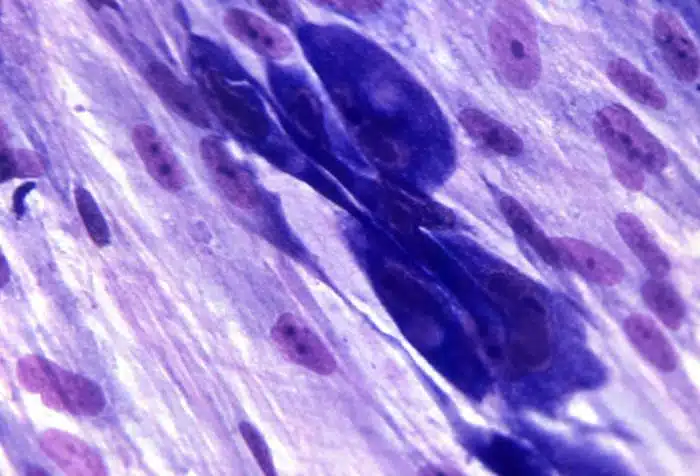
Photo Credit: CDC/ Dr. Feldman
Congenital cytomegalovirus (cCMV) infection is the most common congenital infection in the world. It affects roughly 1 in 200 newborns in the United States — yet it remains largely unknown to the general public and much of the medical community.1 Unlike conditions routinely included in newborn screening panels, cCMV often escapes detection. Even so, it causes more disabilities than Down syndrome, fetal alcohol syndrome, and neural tube defects combined. The consequences can be severe: permanent hearing loss, developmental delays, cerebral palsy, vision impairment, and seizures affect an estimated 20% of infected infants.2
As momentum builds toward universal newborn screening for cCMV — with multiple states implementing or considering screening programs — an urgent research need has emerged. Researchers need to identify predictive biomarkers. These biomarkers should tell which infected newborns will develop long-term sequelae, particularly sensorineural hearing loss (SNHL), and which will remain asymptomatic. This requires access to well-characterized biospecimens from infants with confirmed cCMV infection, paired with comprehensive longitudinal follow-up data tracking developmental and audiological outcomes.3
From study design to receipt of samples, researchers investigating congenital CMV need specimens spanning maternal-fetal transmission, neonatal diagnosis, and childhood development phases. These specimens need rich genomic annotation and clinical phenotyping, which turns biospecimens into powerful predictive tools.
Understanding Congenital CMV: Epidemiology and Clinical Impact
Cytomegalovirus, a member of the herpesvirus family, establishes a lifelong latent infection after first exposure. CMV infection in healthy adults typically causes minimal or no symptoms. But primary maternal infection during pregnancy — or reactivation of a latent infection — can pass the virus to the developing fetus, with potentially severe consequences.4
Epidemiology and Transmission
- Prevalence: Roughly 0.5-0.7% of all live births in the United States involve congenital CMV infection — about 20,000-30,000 affected newborns each year. CMV seropositivity in pregnant women varies by demographic factors, exceeding 80% in some populations.5
- Transmission routes: Fetal infection can happen through transplacental passage of the virus during primary maternal infection (the highest risk), reactivation of a latent maternal infection, or reinfection with a different CMV strain. Primary maternal infection, especially early in pregnancy, carries the greatest risk of severe fetal outcomes.6
- Symptomatic vs. asymptomatic disease: At birth, about 10-15% of infected infants show symptomatic cCMV disease. But even asymptomatic infants face a real risk of delayed-onset sequelae, particularly progressive hearing loss that develops during early childhood.7
Long-Term Sequelae
- Sensorineural hearing loss: cCMV causes an estimated 15-20% of all moderate to profound bilateral SNHL in children, making it the leading non-genetic cause of childhood hearing loss. Hearing loss can progress over time — some children pass their newborn hearing screen, only to develop late-onset or progressive SNHL months or years later.8
- Neurodevelopmental outcomes: Children with symptomatic cCMV face higher risks of developmental delays, intellectual disability, cerebral palsy, vision impairment, and epilepsy. Even asymptomatic infection carries a low but measurable risk of adverse neurodevelopmental outcomes.9
- Economic burden: Lifetime costs tied to cCMV-related disabilities exceed $4 billion a year in the United States, driven mostly by hearing loss-related expenses like educational support, assistive technology, and lost productivity.10
The Case for Universal Newborn CMV Screening
Traditional newborn screening targets conditions where early identification enables interventions that improve outcomes. For cCMV, the case for universal screening rests on a few pillars.
Early Diagnosis Enables Intervention
- Antiviral therapy: Valganciclovir, started within the first month of life in infants with moderate-to-severe symptomatic cCMV disease, has shown benefits in preventing hearing deterioration and improving neurodevelopmental outcomes. Early diagnosis through screening is essential for starting treatment on time.11,12
- Enhanced audiological monitoring: Infected infants need intensive surveillance to catch progressive or late-onset hearing loss that standard newborn hearing screens miss. Early intervention with hearing aids or cochlear implants supports language development.
- Family counseling: Diagnosis opens the door to counseling, family planning discussions, and connection to early intervention resources.
Screening Technologies
- Saliva-based CMV testing: Dried saliva spots collected on filter paper cards offer a sensitive, non-invasive way to detect CMV DNA in newborns, and they integrate with existing screening infrastructure.13
- Urine-based testing: PCR on urine collected within 21 days remains the gold standard for confirmation, though logistics can limit how widely it can be used across a population.
- Targeted vs. universal screening: Some programs screen only infants who fail their newborn hearing test, while universal screening identifies every infected infant, regardless of symptoms.
The Biomarker Challenge: Predicting Which Babies Will Develop Sequelae
Universal cCMV screening raises an urgent challenge: distinguishing which infected newborns need intensive monitoring and possible treatment from those unlikely to develop complications. Current approaches rely on symptom status at birth, but asymptomatic infants can still develop sequelae later. This creates a critical need for predictive biomarker discovery using well-characterized biospecimens.
Candidate Biomarkers Under Investigation
Viral Load Measurements
Quantifying CMV DNA in plasma, urine, or saliva shows promise as a predictor of severity and outcomes. Higher viral loads often correlate with symptomatic disease and greater sequelae risk, though there’s overlap between groups.14 Access to human plasma from newborns with documented cCMV supports validation of clinically actionable viral load thresholds.
Anti-CMV Antibody Profiles
Maternal IgG levels and epitope-specific antibody signatures may predict transmission risk and fetal protection. Maternal-infant paired serology and outcome-linked cohorts can help identify protective antibody patterns.15 Human serum biobanking enables retrospective testing as new assays emerge.
Inflammatory Cytokines and Immune Markers
Neonatal cytokines (like IL-6, TNF-α, IP-10), soluble mediators, and immune cell phenotypes may distinguish different disease trajectories. Researchers have observed elevated inflammatory markers in some infants who later develop SNHL.16 Human PBMCs can support longitudinal immune profiling through flow cytometry, functional assays, and single-cell technologies.
Placental Biomarkers
Placental and cord blood analyses reveal transcriptomic and proteomic signatures linked to fetal outcomes. Reported multi-protein signatures may help stratify infection severity and predict neurodevelopmental outcomes.17
Host Genetic Factors
Immune-related genetic variations may influence susceptibility, severity, and the development of sequelae. Genome-wide association studies need large cohorts with confirmed cCMV and validated longitudinal outcomes, supported by genomic-enabled biospecimen collections with genomic annotation.
Microbiome Signatures
Early evidence suggests the neonatal microbiome may shape immune response to CMV and influence disease trajectories, though this research is still early-stage and requires specialized sampling and analysis.18
Biospecimen Requirements for cCMV Research
Advancing congenital CMV research requires carefully designed biospecimen collections that account for unique diagnostic timing windows, maternal-infant pairing, and long-term sequelae monitoring.
Specimen Types and Timing
Newborn Specimens
- Saliva or urine collected within 21 days for confirmed diagnosis
- Dried blood spots from routine newborn screening
- Plasma / serum for viral load, antibody, and biomarker measurements
- Whole blood for genomic analysis and immune profiling workflows
- PBMCs for cellular immune phenotyping and functional assays
Maternal Specimens
- Prenatal serum for CMV serostatus and antibody characterization
- Delivery timepoint specimens for maternal-infant pair analysis
- Longitudinal prenatal specimens when primary infection timing is documented
Placental and Cord Blood
- Placental tissue for pathology, immunohistochemistry, and multi-omics
- Cord blood plasma for biomarker studies
- Cord blood cells for immunophenotyping
Longitudinal Follow-Up Collections
Because cCMV sequelae can be progressive and delayed, longitudinal collections throughout infancy and childhood are essential:
- 3-month intervals during the first year to track viral clearance and immune development
- Annual collections aligned with audiological assessments
- Collection at hearing loss diagnosis to evaluate contemporaneous biomarkers
Critical Clinical Annotation
Biospecimens need rigorous documentation to support predictive biomarker modeling:
Maternal History
- CMV serostatus pre-pregnancy (if known)
- Timing of seroconversion during pregnancy
- Indicators of symptomatic primary infection
- Prior pregnancies and any cCMV outcomes
Neonatal Characteristics
- Disease severity classification (asymptomatic vs. symptomatic)
- Specific clinical findings (microcephaly, hepatosplenomegaly, etc.)
- CMV viral load at diagnosis
- Gestational age and birth parameters
Outcomes Data
- Serial audiological assessments (with threshold data)
- Neurodevelopmental evaluations
- Vision assessments
- Treatment exposure (antiviral therapy)
- Timing of sequelae onset
State-Level Screening Programs: Generating Real-World Evidence
As more states mandate cCMV screening programs, new opportunities for biospecimen-based research keep opening up. States that have implemented or are piloting screening programs can generate large cohorts of identified infected infants with standardized follow-up, enabling:
- Large, population-based cohorts: including asymptomatic infections, which improves generalizability
- Standardized diagnosis: consistent algorithms reduce heterogeneity
- Structured follow-up: mandated audiology monitoring improves outcome data quality
- Real-world treatment patterns: observational evidence that complements trial data
Biobanking partnerships with screening programs make sure specimens are collected, processed, and stored appropriately for future research, while maintaining regulatory and ethical compliance.
Supporting cCMV Research Through Biospecimen Services
Given how complex congenital infection research is, access to prospective biospecimen collection services is essential. We can design custom collections to:
- Enroll mother-infant pairs across the United States during pregnancy or at delivery
- Implement standardized specimen collection protocols aligned with research objectives
- Coordinate longitudinal follow-up collections aligned with developmental milestones
- Link biospecimens with comprehensive clinical data and outcome measures
- Ensure appropriate consent processes for pediatric research
From study design to receipt of samples, our streamlined process lets investigators focus on their scientific questions. Meanwhile, our biospecimen experts manage recruitment, logistics, processing, storage, and shipping.
If you need existing inventory, curated collections of congenital infection biospecimens can support immediate study initiation. Explore options through our infectious disease biospecimen portfolio, or contact our team to discuss cCMV cohort requirements.
The Path Forward: Precision Medicine for Congenital CMV
The goal of precision medicine for cCMV is clear: accurately predict which infected newborns need intensive intervention versus supportive care alone. This means preventing unnecessary treatment while making sure no at-risk child is missed. Achieving this vision requires:
- Multimodal biomarker panels: integrating viral, immunological, genetic, and clinical markers into validated prediction models
- Prospective validation studies: large, diverse cohorts with longitudinal outcome capture
- Implementation research: translating biomarkers into screening-compatible assays
- Economic modeling: demonstrating cost-effectiveness of biomarker-guided pathways
- Therapeutic development: identifying new targets beyond current antiviral approaches
Conclusion
Universal newborn screening for congenital CMV represents a major shift in pediatric infectious disease management, one that could prevent thousands of cases of hearing loss and developmental disability every year. But realizing this potential means solving the biomarker challenge: figuring out which infected infants face the highest risks and stand to benefit most from intervention.
This research demands robust biospecimen resources — newborn specimens with confirmed cCMV, maternal specimens that characterize prenatal infection, placental specimens that reveal fetal responses, and longitudinal collections that track natural history. Paired with comprehensive clinical phenotyping and outcome data, these specimens become powerful tools for discovering and validating the predictive biomarkers that can guide clinical decisions for generations of affected children.
Learn more about our CMV biospecimen portfolio or contact our team to discuss biospecimen needs for congenital CMV research.
References (AMA Style)
- CDC. Congenital Cytomegalovirus (cCMV) Infection and Disease 2024 Case Definition. Centers for Disease Control and Prevention. Published 2024. Accessed December 9, 2024.
- Manicklal S, Emery VC, Lazzarotto T, Boppana SB, Gupta RK. The “silent” global burden of congenital cytomegalovirus. Clin Microbiol Rev. 2013;26(1):86-102. doi:10.1128/CMR.00062-12
- The Urgent Search for Predictive Biomarkers in the Emerging Era of Universal Congenital Cytomegalovirus Screening. 2024. PMID: 41194669.
- Cannon MJ, Schmid DS, Hyde TB. Review of cytomegalovirus seroprevalence and demographic characteristics associated with infection. Rev Med Virol. 2010;20(4):202-213. doi:10.1002/rmv.655
- Boppana SB, Ross SA, Fowler KB. Congenital cytomegalovirus infection: clinical outcome. Clin Infect Dis. 2013;57 Suppl 4(Suppl 4):S178-S181. doi:10.1093/cid/cit629
- Ornoy A, Diav-Citrin O. Fetal effects of primary and secondary cytomegalovirus infection in pregnancy. Reprod Toxicol. 2006;21(4):399-409. doi:10.1016/j.reprotox.2005.02.002
- Fowler KB, Boppana SB. Congenital cytomegalovirus infection. Semin Perinatol. 2018;42(3):149-154. doi:10.1053/j.semperi.2018.02.002
- Grosse SD, Ross DS, Dollard SC. Congenital cytomegalovirus (CMV) infection as a cause of permanent bilateral hearing loss: a quantitative assessment. J Clin Virol. 2008;41(2):57-62. doi:10.1016/j.jcv.2007.09.004
- Dollard SC, Grosse SD, Ross DS. New estimates of the prevalence of neurological and sensory sequelae and mortality associated with congenital cytomegalovirus infection. Rev Med Virol. 2007;17(5):355-363. doi:10.1002/rmv.544
- Grosse SD, Dollard SC, Ross DS, Cannon M. Newborn screening for congenital cytomegalovirus: options for hospital-based and public health programs. J Clin Virol. 2009;46 Suppl 4(Suppl 4):S32-S36. doi:10.1016/j.jcv.2009.09.005
- Kimberlin DW, Jester PM, Sánchez PJ, et al. Valganciclovir for symptomatic congenital cytomegalovirus disease. N Engl J Med. 2015;372(10):933-943. doi:10.1056/NEJMoa1404599
- Rawlinson WD, Boppana SB, Fowler KB, et al. Congenital cytomegalovirus infection in pregnancy and the neonate: consensus recommendations for prevention, diagnosis, and therapy. Lancet Infect Dis. 2017;17(6):e177-e188. doi:10.1016/S1473-3099(17)30143-3
- Boppana SB, Ross SA, Shimamura M, et al. Saliva polymerase-chain-reaction assay for cytomegalovirus screening in newborns. N Engl J Med. 2011;364(22):2111-2118. doi:10.1056/NEJMoa1006561
- Lanari M, Lazzarotto T, Venturi V, et al. Neonatal cytomegalovirus blood load and risk of sequelae in symptomatic and asymptomatic congenitally infected newborns. Pediatrics. 2006;117(1):e76-e83. doi:10.1542/peds.2005-0629


