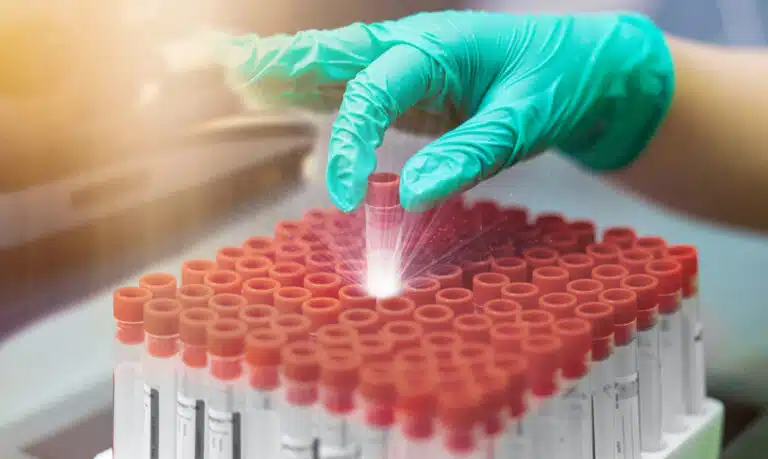
Vaccine Development Biospecimens: From Immunogenicity to Efficacy
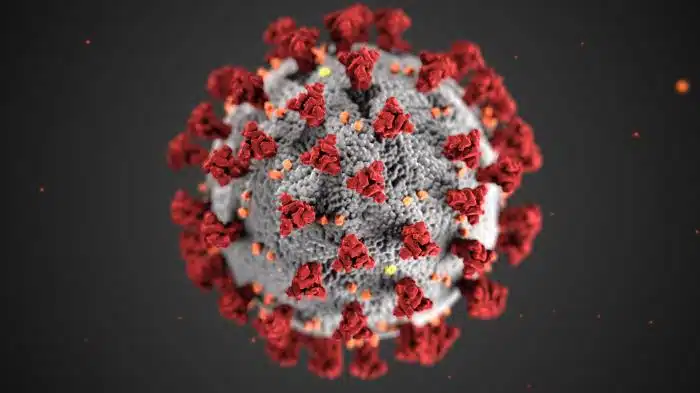
Vaccine Immunogenicity Assessment: The Critical Role of Blood Biospecimens
Vaccine development prevents millions of deaths annually across the United States and worldwide. The success of any vaccine depends on its ability to induce durable, protective immune responses — both humoral and cellular. Understanding and measuring these responses is central to vaccine discovery, optimization, and regulatory approval.
Blood biospecimens serve as the cornerstone of vaccine immunogenicity assessment, enabling comprehensive evaluation of immune activation, response kinetics, and long-term memory formation across diverse populations.
Immune Responses Driving Vaccine Protection
Adaptive immunity develops through coordinated B- and T-cell responses. B cells generate antigen-specific antibodies that neutralize pathogens and prevent cellular entry. CD4+ T helper cells orchestrate immune signaling and support antibody maturation, while CD8+ cytotoxic T lymphocytes eliminate infected cells. Memory B and T cells persist long after vaccination, enabling rapid recall responses upon pathogen re-exposure.
Vaccine-induced immunity often mirrors protective mechanisms observed in natural infection, making precise immune profiling essential for understanding correlates of protection and guiding vaccine design.
Timing Matters: Capturing Vaccine-Induced Immunity
Measuring vaccine responses requires peripheral blood biospecimens collected at well-defined timepoints:
- Baseline (pre-vaccination): Establishes individual immune status and pre-existing immunity
- Early innate response (Day 7–14): Captures initial immune activation
- Peak adaptive response (Day 14–28): Reflects maximal antibody and T-cell responses
- Memory phase (3, 6, 12 months): Documents durability and immune persistence
Longitudinal sampling enables assessment of immune waning, booster effects, and recall kinetics, supporting both mechanistic studies and regulatory endpoints.
PBMCs: The Cornerstone of Cellular Immunity Assessment
Human peripheral blood mononuclear cells (PBMCs) include lymphocytes, monocytes, and dendritic cells that collectively mediate vaccine-induced cellular immunity. High-quality cryopreserved PBMCs enable standardized, batch-controlled analyses across studies. Sanguine Bio offers Human PBMCs as well as Human Leukopak products designed for broad immunological profiling.
Common PBMC-based assays include:
- Antigen-specific T-cell identification
- Intracellular cytokine staining to quantify polyfunctional responses
- Proliferation assays using CFSE dilution to assess clonal expansion
Distinct T-cell subsets contribute uniquely to vaccine protection. Th1 cells producing IFN-γ support cellular immunity, Th2 cells promote antibody production, and T follicular helper (Tfh) cells provide essential B-cell support in germinal centers. Cytotoxic CD8+ T cells eliminate infected cells, while memory T cells enable long-term protection.
Plasma and Serum: Measuring Humoral Immunity
Plasma and serum samples enable quantitative and functional antibody assessment, including:
- ELISA for antigen-specific binding antibody titers
- Neutralization assays measuring viral entry inhibition
- Avidity assays assessing antibody maturation and binding strength
- Isotype profiling (IgM, IgG, IgA)
Sanguine Bio’s Human Plasma, Human Bulk Plasma, and Human Serum products enable robust humoral immunity assessments. Neutralizing antibody titers correlate strongly with protection for many vaccines. Organizations such as the WHO establish correlates of protection that guide vaccine approval and post-licensure monitoring, reducing trial size and duration while maintaining rigor.
Critical Considerations When Selecting Vaccine Development Biospecimens
Sample Collection Timing
- Baseline pre-vaccination sampling
- Peak response timepoints (Day 7–14 innate, Day 14–28 adaptive)
- Memory phase collections (3, 6, 12 months)
- Booster dose timing and recall kinetics
- Age-dependent response variation
- Infection history influencing booster outcomes
Processing Requirements
- PBMC isolation within 4–8 hours to maintain viability
- Cryopreservation protocols preserving T-cell functionality
- Plasma separation for antibody analysis
- Serum collection when complement assays are required
- DNA extraction from whole blood for genetic correlates (e.g., Human Whole Blood)
Multi-Platform Vaccine Technologies Require Distinct Biospecimen Strategies
Modern vaccine platforms — including protein subunits, viral vectors, mRNA, and DNA vaccines — generate distinct immune response profiles.
Protein subunit vaccines with adjuvants primarily induce antibody responses best measured in plasma and serum. mRNA and DNA vaccines generate robust cellular immunity, necessitating comprehensive PBMC profiling. Viral vector vaccines introduce additional complexity due to vector-specific immunity, making baseline antibody screening essential.
Essential Annotation Requirements for Vaccine Studies
- Demographics (age, sex, ethnicity)
- Prior vaccination history
- Infection history and exposure documentation
- Comorbidities impacting immune function
- Medications affecting immune responses
- HLA typing when relevant
Sanguine Bio: Your Vaccine Development Biospecimen Partner
Sanguine Bio provides premium-quality blood biospecimens supporting vaccine research from early development through licensure across the United States. Our direct-to-donor model and expanded donor network enable access to diverse populations, including vaccine-naive individuals, previously infected donors, and vaccinated cohorts with documented exposure histories.
Custom collection services support complex vaccine study protocols, including serial sampling aligned to peak immune response timepoints. Processing workflows preserve PBMC viability and antibody integrity, while matched PBMC and plasma aliquots enable integrated immune analyses.
Beyond blood products, Sanguine Bio’s offerings support comprehensive biomarker and translational research, such as Human CD3 T Cells and Human CD56 NK Cells. Access to hard-to-find populations — including breakthrough infection cases, age-stratified cohorts, and immunocompromised individuals — enables real-world vaccine performance evaluation.
Explore Our Infectious Disease Biospecimens for vaccine research support.
Advancing Vaccine Science Through Blood Biospecimens
Blood biospecimens enable mechanistic understanding of vaccine-induced immunity by capturing cellular responses, antibody production, and immune durability. From study design through regulatory submission, comprehensive biospecimen resources accelerate vaccine translation and public health impact.
References
- Pollard AJ, Bijker EM. A guide to vaccinology: from basic principles to new developments. Nat Rev Immunol. 2021;21(2):83–100. https://doi.org/10.1038/s41577-020-00479-7
- Germain RN. Vaccines and the future of human immunology. Immunity. 2010;33(4):441–450. https://doi.org/10.1016/j.immuni.2010.09.014
- Pulendran B, Ahmed R. Immunological mechanisms of vaccination. Nat Immunol. 2011;12(6):509–517. https://doi.org/10.1038/ni.2039
- Plotkin SA. Correlates of protection induced by vaccination. Clin Vaccine Immunol. 2010;17(7):1055–1065. https://doi.org/10.1128/CVI.00131-10
- Pulendran B, et al. Systems vaccinology. Immunity. 2019;51(5):807–820. https://doi.org/10.1016/j.immuni.2019.08.016
- Sahin U, et al. BNT162b2 vaccine induces neutralizing antibodies and poly-specific T cells in humans. Nature. 2021;595(7868):572–577. https://doi.org/10.1038/s41586-021-03653-6