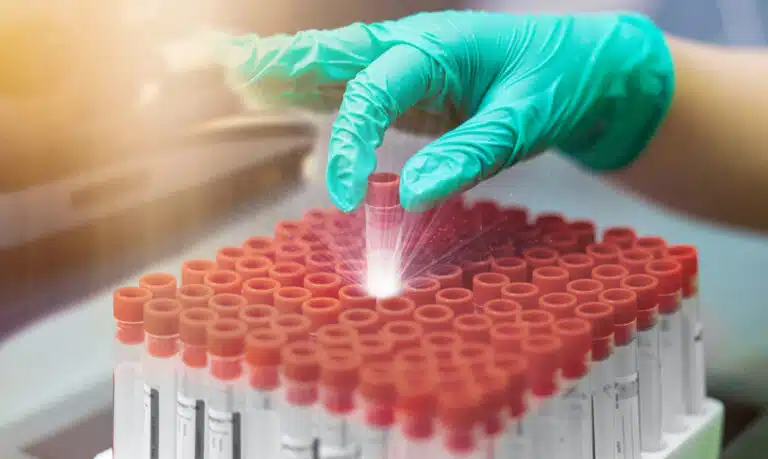
Viral Infection Research: Acute and Chronic Disease Biospecimens

Featured Image Credit: https://phil.cdc.gov/ – Viral infection immune response (Public Domain)
The Central Role of Biospecimens in Viral Infection Research
Viral infection research underpins modern infectious disease science, informing vaccine development, antiviral discovery, and public health preparedness. From rapidly spreading respiratory viruses to persistent chronic infections, understanding host–virus interactions requires precise, longitudinal immune profiling using well-characterized human biospecimens.
Blood-based biospecimens enable direct measurement of viral burden, immune activation, antibody responses, and cellular immunity. These data are critical for characterizing disease natural history, identifying correlates of protection, and distinguishing effective immune responses from pathological inflammation.
Acute vs. Chronic Viral Infections: Distinct Research Challenges
Acute viral infections such as influenza, respiratory syncytial virus (RSV), and SARS-CoV-2 are characterized by rapid viral replication and dynamic immune activation. Research in these settings focuses on early innate responses, peak adaptive immunity, viral clearance, and post-infection immune memory.
Chronic viral infections including HIV, hepatitis B virus (HBV), hepatitis C virus (HCV), and Epstein–Barr virus (EBV) persist over extended periods. These infections are associated with immune exhaustion, viral immune evasion, and chronic inflammation, requiring longitudinal sampling strategies that capture immune dysfunction across the full natural history of disease.
PBMCs and Cellular Immunity in Viral Infection Studies
Cellular immunity is a defining feature of antiviral defense. Peripheral blood mononuclear cells (PBMCs) provide a comprehensive snapshot of immune cell populations involved in viral recognition, control, and memory formation. High-quality Human PBMCs support standardized assessment of T cells, B cells, monocytes, and dendritic cells across timepoints and cohorts.
PBMC-based assays enable antigen-specific T cell profiling, cytokine production analysis, and proliferation studies essential for antiviral drug development and vaccine evaluation. Targeted immune investigations often require enriched lymphocyte populations such as Human CD3 T Cells to examine helper and cytotoxic responses in detail.
Plasma and Serum for Humoral Immunity and Viral Load Monitoring
Antibody-mediated immunity plays a critical role in viral neutralization and long-term protection. Plasma and serum samples enable quantitative and functional assessment of humoral responses throughout infection and recovery.
Human Plasma supports viral load quantification, cytokine profiling, and neutralization assays, while Human Serum is commonly used for antibody binding, avidity, and isotype analyses. Together, these biospecimens enable comparison of vaccine-induced immunity versus natural infection and evaluation of immune durability.
Whole Blood and Integrated Viral Immunology
While isolated components enable targeted analyses, Human Whole Blood preserves the full cellular and soluble environment of circulating immunity. Whole blood supports transcriptomic, epigenetic, and systems immunology approaches that reveal coordinated immune pathways driving viral control or pathogenesis.
These integrated datasets are particularly valuable for identifying host genetic factors influencing susceptibility, immune responsiveness, and treatment outcomes across populations.
Longitudinal Sampling and Natural History of Viral Disease
Capturing the natural history of viral infection requires carefully designed longitudinal sampling strategies. Serial biospecimen collections enable characterization of immune kinetics from early infection through resolution or chronic persistence.
Longitudinal datasets are essential for understanding immune durability, viral rebound, immune imprinting, and the long-term consequences of infection, particularly in the context of emerging variants and breakthrough infections.
Critical Factors When Selecting Viral Infection Biospecimens
- Defined infection status with diagnostic confirmation
- Disease stage aligned to study objectives
- Longitudinal availability for natural history analysis
- Comprehensive genomic annotation supporting host-response interpretation
- Age, sex, and comorbidity stratification
- Prior vaccination or antiviral treatment history
- Viral genotype or variant documentation
- Consistency across collection timepoints
Essential Sample Processing Requirements for Viral Immunology Studies
- Timely PBMC isolation to maintain cellular viability
- Controlled cryopreservation protocols preserving immune function
- Plasma and serum separation minimizing hemolysis
- Standardized aliquoting to reduce freeze–thaw cycles
- RNA stabilization for transcriptomic analyses
- DNA extraction suitable for host-genetic studies
- Harmonized SOPs across longitudinal collections
Clinical Applications and Translational Impact
Viral infection biospecimens support antiviral drug development, vaccine evaluation, immune correlate discovery, and breakthrough infection studies. Comparative analysis of vaccine-induced immunity versus natural infection provides insight into protective mechanisms and immune durability.
Integrated cellular and humoral immune profiling accelerates translation of immunological discoveries into clinical interventions and public health strategies.
Sanguine Bio: Advancing Viral Infection Research
Sanguine Bio supports viral infection research across the United States through a direct-to-donor model and expanded donor network. This approach enables access to diverse populations, including individuals with acute infection, chronic disease, prior vaccination, and breakthrough infection histories.
Custom collection services support complex study protocols, from study design to receipt of samples. Longitudinal follow-up collections enable natural history and immune durability studies. Comprehensive genomic annotation enhances interpretability across complex viral immunology datasets.
Access to hard-to-find populations combined with rigorous processing and documentation standards positions Sanguine Bio as a trusted partner for infectious disease research.
Check Our Inventory to explore viral infection biospecimen solutions.
References
- Plotkin SA. Correlates of protection induced by vaccination. Clin Vaccine Immunol. 2010;17(7):1055–1065.
- Pulendran B, Ahmed R. Immunological mechanisms of vaccination. Nat Immunol. 2011;12(6):509–517.
- Dan JM, et al. Immunological memory to SARS-CoV-2. Science. 2021;371:eabf4063.
- Khoury DS, et al. Neutralizing antibody levels predict protection. Nat Med. 2021;27:1205–1211.
- Sahin U, et al. BNT162b2 vaccine induces poly-specific T cells. Nature. 2021;595:572–577.
- Amanat F, Krammer F. SARS-CoV-2 vaccines: status report. Immunity. 2020;52:583–589.