Why You Should Break Up with Your Biobank in 2022

Biobanks have long played a central role in clinical and translational research. But the conventional model — store samples first, match them to researchers later — has real limits. A large stored collection can look impressive, but it often can’t meet the specific needs of a given study: the right sample type, the right collection method, or access to a particular patient population.
Biobanks are typically inflexible. They struggle to accommodate specific sample types, custom collection methods, or hard-to-reach patient populations that a generic biobank simply doesn’t stock. The scientific promise that once surrounded traditional biobanks is fading, because they aren’t delivering the results researchers were promised.1
A new model has emerged in recent years: patient-centric, personalized research that could reshape how scientific discovery happens. Sanguine is leading that shift. We empower patients and researchers alike through on-demand sample collection that removes the need to rely on a biobank at all. As research questions grow more sophisticated and technology keeps advancing, traditional biobanks increasingly fail to deliver “fit-for-purpose” samples and data.
Our patient-centric approach to biospecimen collection, combined with strong relationships with patient and advocacy groups, has grown our patient database to more than 70,000 people nationwide. This model lets us recruit patients with a wide range of conditions — including rare diseases that are usually hard to reach due to geography. Researchers gain access to samples that were once considered “impossible” to source. We stay patient-focused throughout: at-home convenience, transparency, engagement, and education. Because we have access to patients’ medical records, we can verify eligibility quickly and provide a long-term view of study participants after they consent. Our longitudinal sampling is minimally invasive and can be paired with real-time data collection methods that capture quality of life, health history, lifestyle factors, demographics, and socioeconomic measures.
Biobanks have a key limitation, especially for rare or heterogeneous diseases: it’s difficult to retrospectively verify the quality of samples from the patient population you’ve selected. In these unique populations, small issues can have large effects on your results. Variability in disease genotypes and phenotypes — or even misdiagnoses — is common in rare or heterogeneous diseases, and biobanked samples can be out of date or missing the information needed to decide whether they should be used in your study. Sanguine specializes in engaging even the hardest-to-reach populations, and we can quickly mobilize our nationwide team to collect high-quality samples and data that move your study toward success.
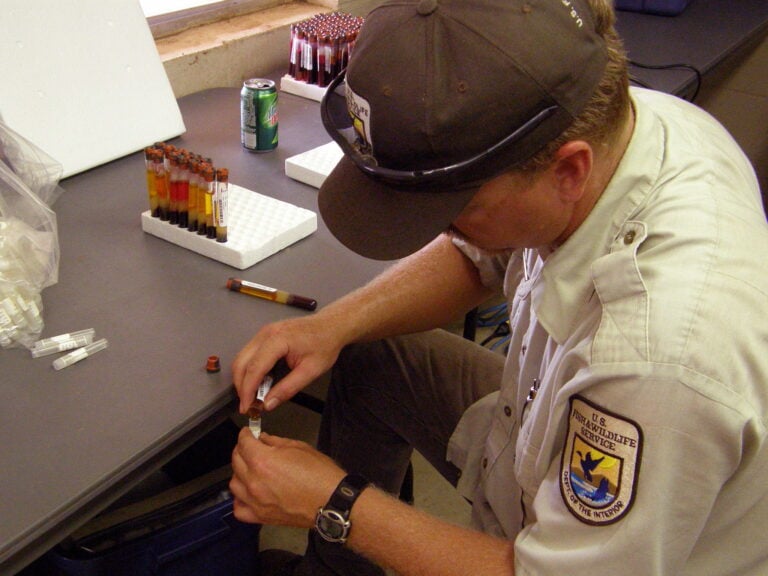
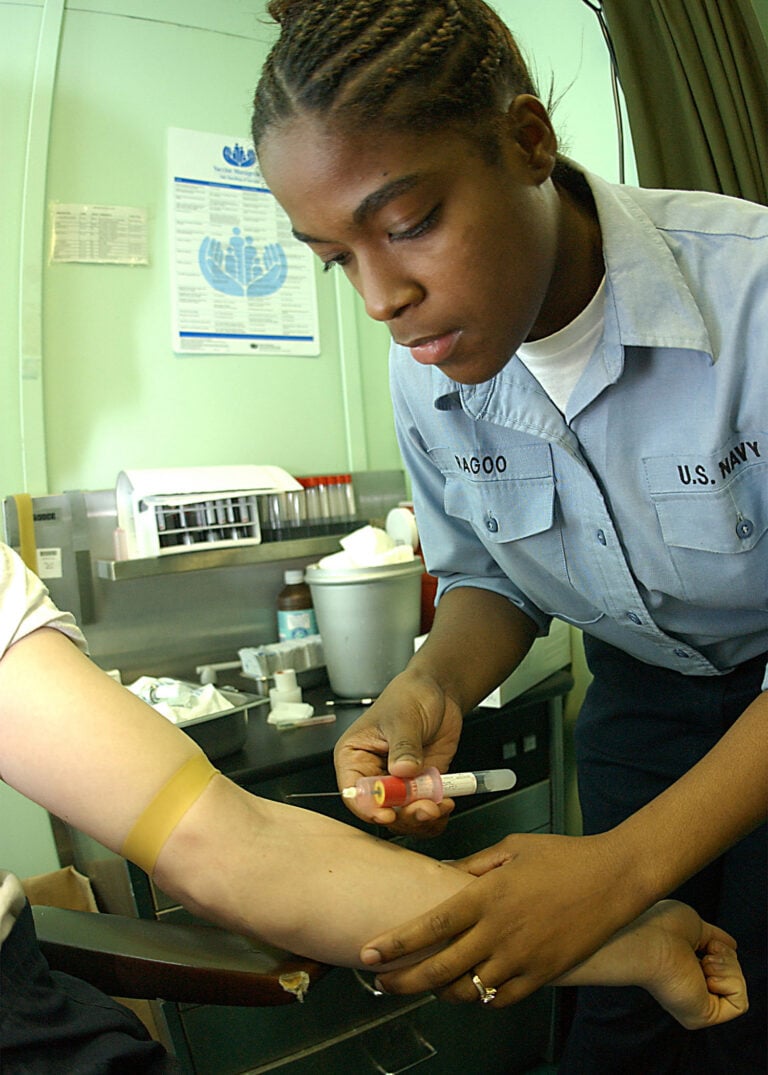
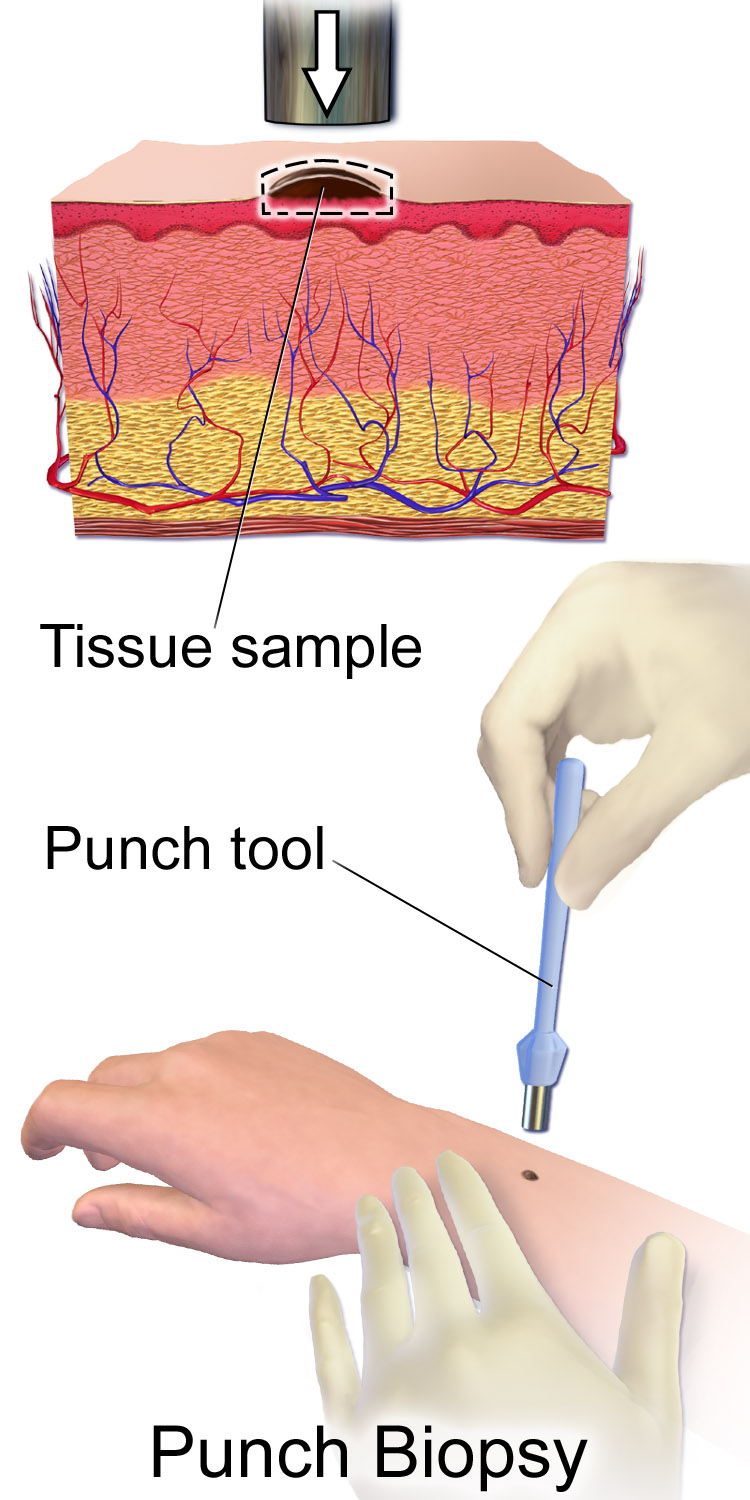
We collect a wide range of blood-derived and non-blood-derived samples and tissues based on your study’s needs, and we can customize collection around other parameters like patient-reported outcomes or wearable technology data. These can be collected longitudinally or as event-based samples, with our mobile team deployed directly to the patient’s home. Samples are collected fresh, delivered the same day, and processed consistently to the exact specifications of the researcher’s needs — for superior quality and trust in the data generated. Relying on a biobank often means compromising on study design, and that compromise can be the difference between a failed study and a successful one.
Through continuous patient engagement and outreach, we maintain a study retention rate above 90%. Our patient database keeps growing because we give patients knowledge and purpose while taking innovative approaches to important research questions. When the COVID-19 pandemic halted many clinical research studies and introduced major challenges for follow-up visits and sample collection in-clinic, Sanguine Bio met those challenges head-on and exceeded our research partners’ expectations. Our at-home approach and independent medical staff mean we aren’t affected by the same challenges that typical study sites — often tied to the healthcare system — faced during the pandemic. With our approach, COVID-19-related disruptions to your study stay minimal, saving valuable time and money.
We are the biobank of the future: a fully integrated research solution built on a living database of engaged patients nationwide, customizable research design, at-home sample collection for on-demand samples, and a commitment to work side by side with you to drive scientific discovery.